
Selecting the right forklift pallet jack for your business is essential to optimizing your operations, especially if you're managing a warehouse or supply chain. With options ranging from manual pallet jacks to compact electric forklifts, there’s a lot to think about before you buy. This guide explores the key considerations to keep in mind, helping you make an informed purchasing decision that benefits your business.
Table of contents:
Assessing the Compatibility of Forklift Pallet Jacks with Various Systems
Understanding the Material Requirements for Forklift Pallet Jacks
Evaluating the Performance Metrics of Forklift Pallet Jacks
Analyzing the Cost-Effectiveness of Forklift Pallet Jacks
One of the top factors to consider is how well a forklift pallet jack will integrate into your existing systems. For example, if your warehouse already uses small electric forklifts or compact electric forklifts, any new forklift pallet jack must align with the size and layout limitations of your space. Compatibility also extends to lift height, load capacity, and aisle width. Functional compatibility ensures seamless operations without reducing warehouse efficiency. Adding technology like electric forklifts from specialized electric forklift manufacturers can further strengthen your equipment ecosystem, especially for tight spaces or high-demand environments.
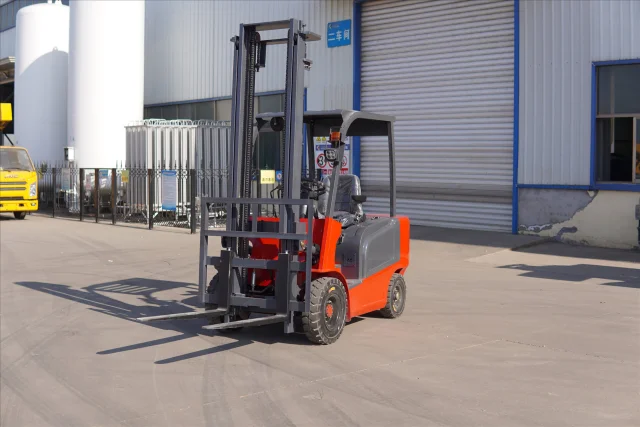
The materials used in forklift pallet jacks are another critical factor. You’ll want durable, long-lasting materials that can handle the demands of your specific industry. For instance, heavy-duty warehouses dealing with bulkier items might prefer a stainless-steel forklift pallet jack over a standard aluminum one, ensuring high load-bearing capacity. Similarly, lightweight small electric forklifts are ideal for industries requiring both mobility and durability. Ensure the equipment's material also aligns with safety standards, especially if you're in industries like food service or pharmaceuticals, where hygiene is a top priority.
Performance metrics like speed, battery life, and load-handling capability can make or break your decision. Electric pallet jacks designed for heavier loads and longer working hours should come with robust batteries, reducing downtime and maximizing operational efficiency. Some electric forklift suppliers specifically offer reviews or testimonials to understand how their equipment performs in real-world conditions. Precision control mechanisms, built-in safety features like automatic braking, and energy efficiency are other vital performance indicators to look out for. Whether you’re investing in a manual pallet jack or a high-tech forklift, the equipment should deliver consistent results that align with your operational needs.
Finally, cost-effectiveness goes beyond the upfront price tag of a forklift pallet jack. Consider long-term savings as well, such as reduced maintenance costs or lower energy consumption. For example, compact electric forklifts consume less energy while delivering high efficiency, making them a sustainable option for cost-conscious businesses. Compare models from leading electric forklift manufacturers to evaluate value-added features like warranties and after-sales support, which can significantly impact operational costs. Upgrading to electric forklifts may also open doors to exclusive deals from suppliers, further tipping the scales in favor of long-term savings.
In conclusion, investing in energy-efficient solutions like electric forklifts not only contributes to sustainability goals but also offers tangible cost-saving opportunities for businesses. By evaluating models based on efficiency, reliability, and additional supplier benefits, procurement managers can optimize their operations while strengthening relationships with trusted suppliers. This forward-thinking approach ensures both immediate and long-term value, aligning with organizational goals for cost efficiency and environmental responsibility.


