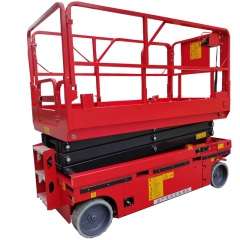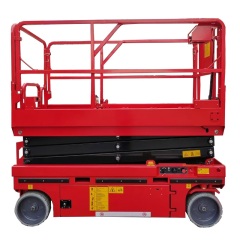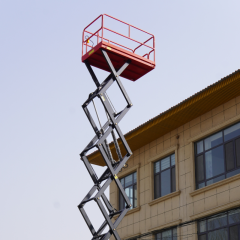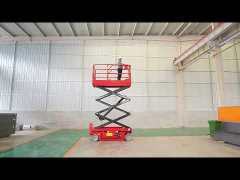
10M Self-propelled Scissor Lift Platform
Self-propelled aerial work scissor lift platform
lifting height 6-16m
Applications:
High building, warehousing and logistics
Manufacturing and assembly lines
Automotive repair and maintenance
Construction sites,
Retail and hospitality industries
Sanitation tree pruning
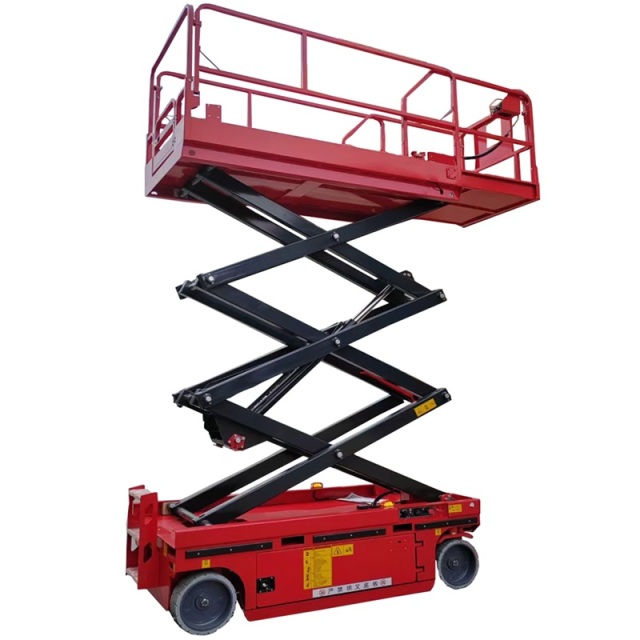
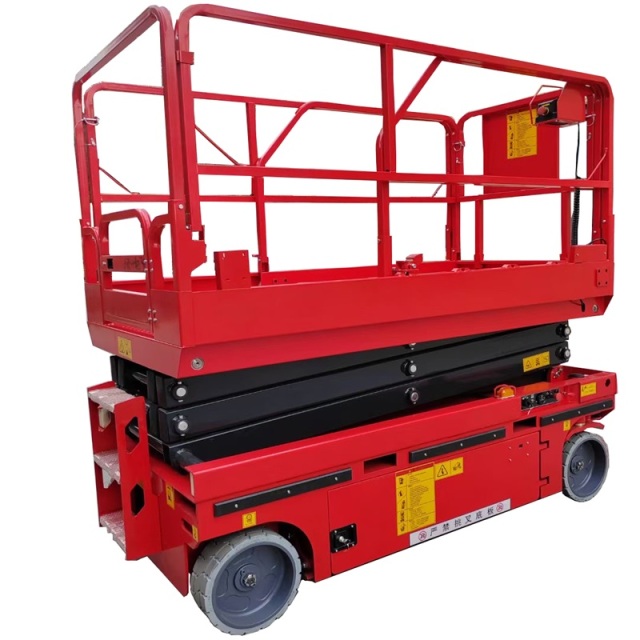
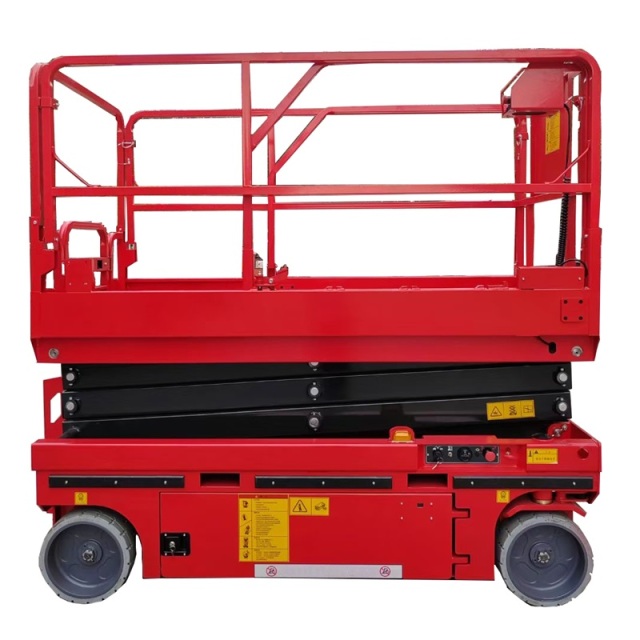
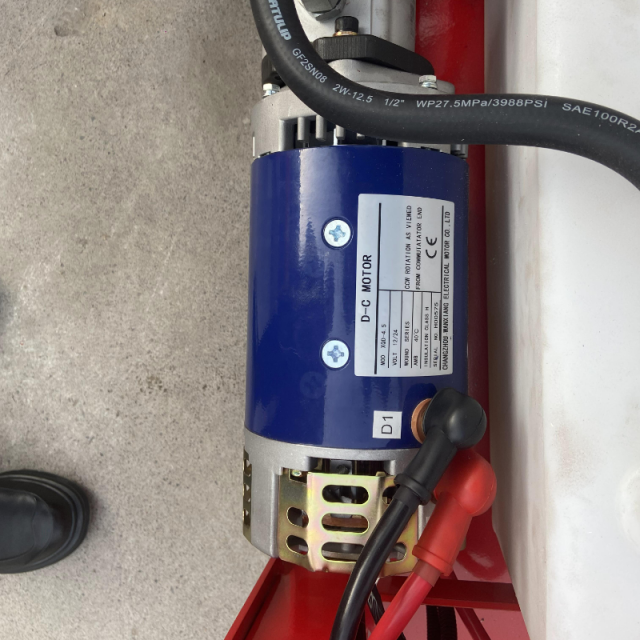
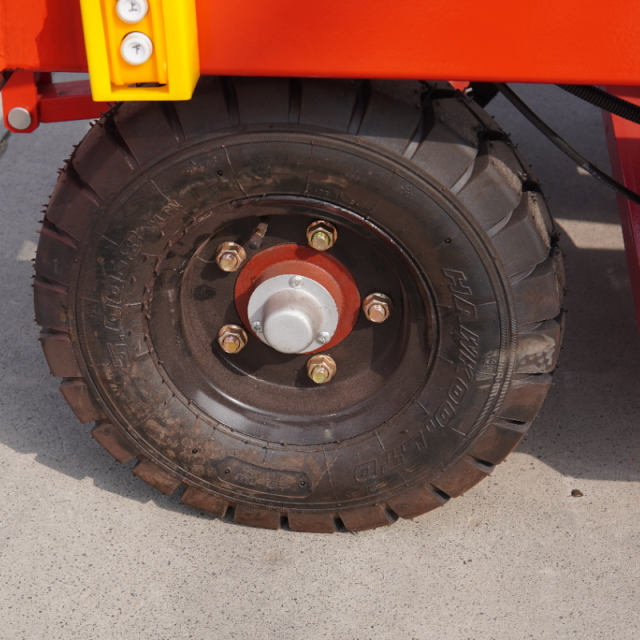
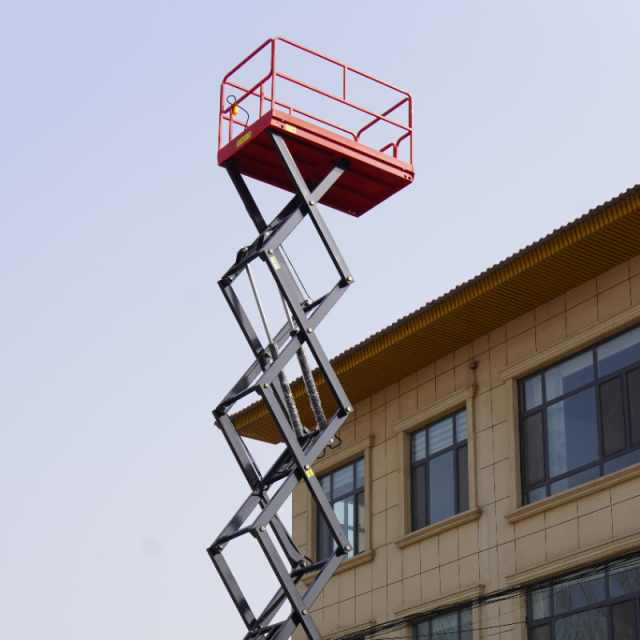
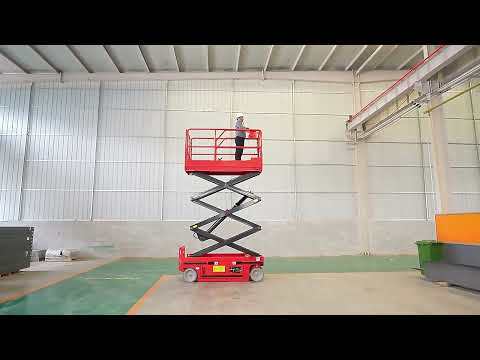
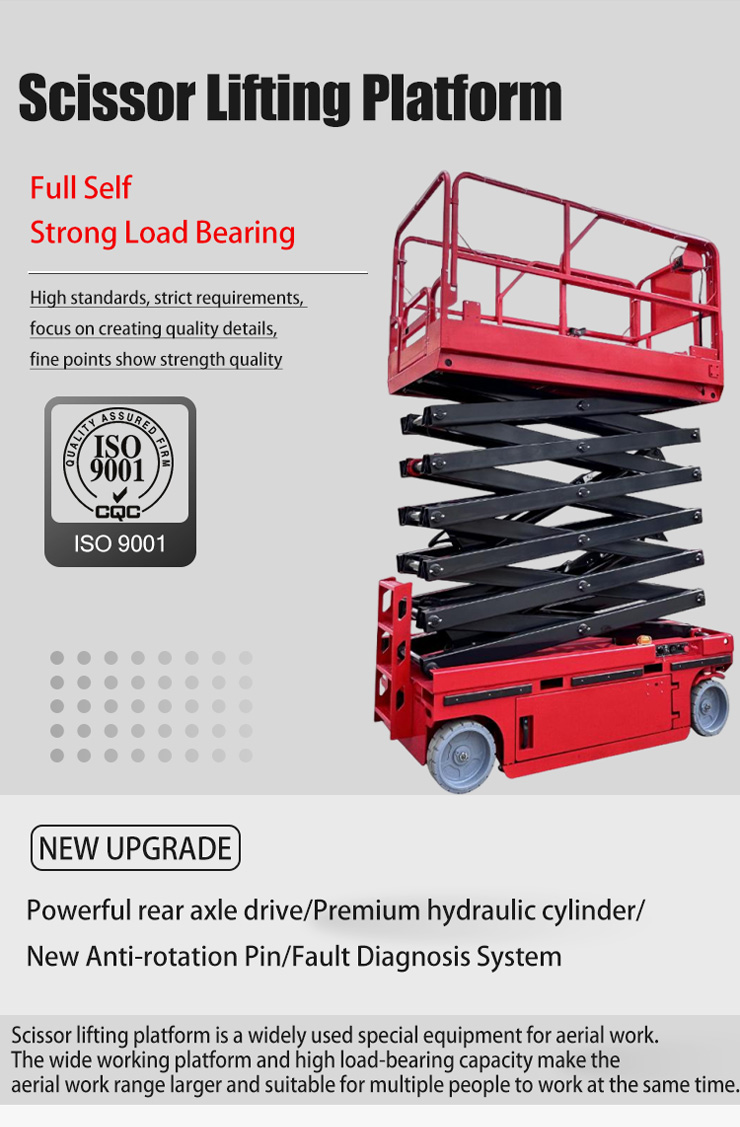
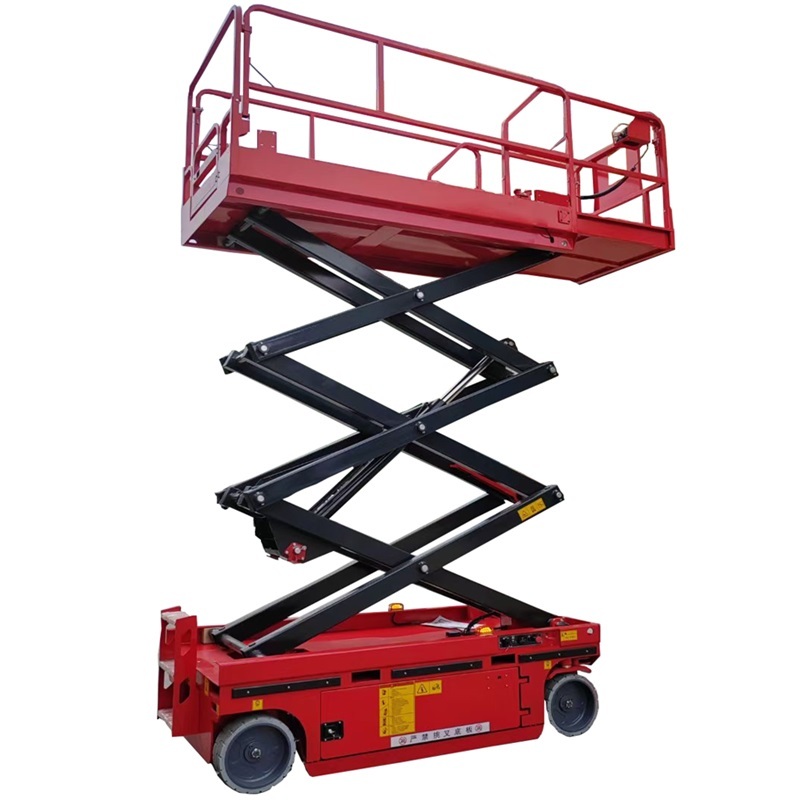
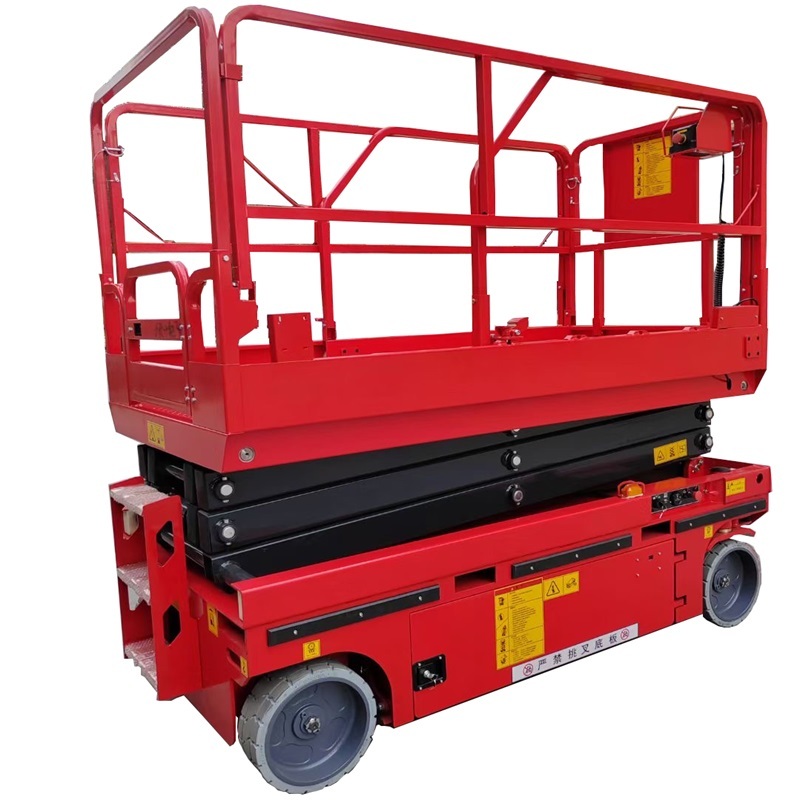
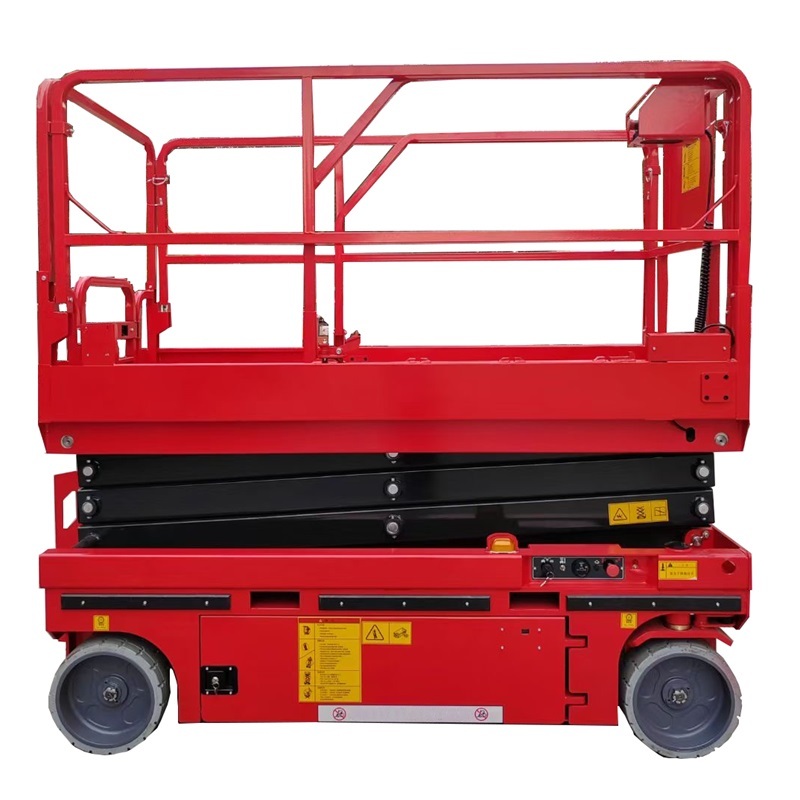
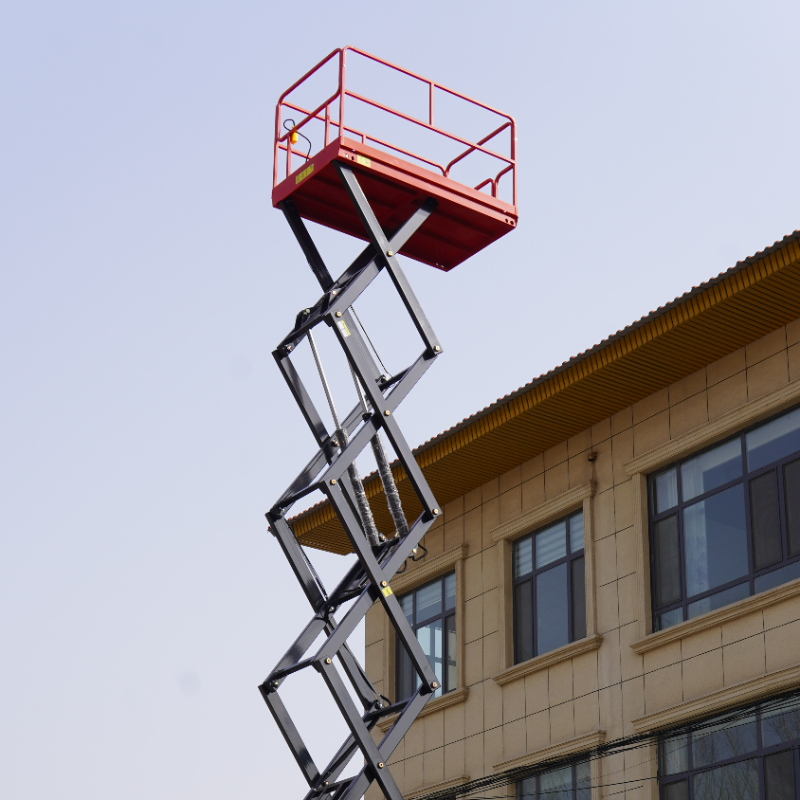
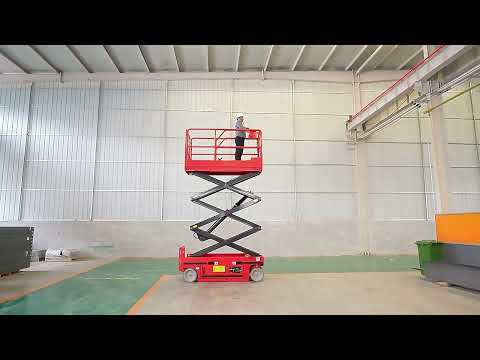
For indoor maintenance and installation work at height, this self-propelled platform puts a stable, guardrailed deck under the crew and then moves itself on to the next task. The deck rises on a hydraulic scissor arm stack carried on a compact electric chassis, so one operator can drive into position, raise to the working height, finish the job and drive on again — with nothing to dismantle between positions.
The 10 m scissor lift sits in the 10-metre class, which is where most warehouse, plant and commercial building maintenance work falls. The deck is sized to carry a working crew together with their tools and the parts they are fitting, so a two-person job does not turn into two trips. When a self-propelled scissor lift is what the job calls for — servicing high-bay lighting, working above racking, reaching overhead services — this is the model the self-propelled range is built around. Taller buildings are covered by the higher models in the same range, and we will confirm which height matches your work before you order.
Typical owners are facility and maintenance teams in warehouses and distribution centres, electrical and mechanical contractors working on overhead services, fit-out and construction crews, and municipal or grounds departments that need access at height from time to time. The machine replaces tower scaffolding, trestles and platforms that have to be towed or winched into position, and the time it saves shows up mostly in what happens between tasks rather than during them.
One point is worth being clear about before you buy: this is a level-ground machine, built for firm, finished surfaces indoors or in a yard. If your site is soft ground, gravel or a slope, tell us and we will point you to the machine that suits it.
We supply single units and mixed orders, and we check the working height, the deck and the access route against your building before the order is confirmed.
| Model | 10M self-propelled scissor lift platform |
|---|---|
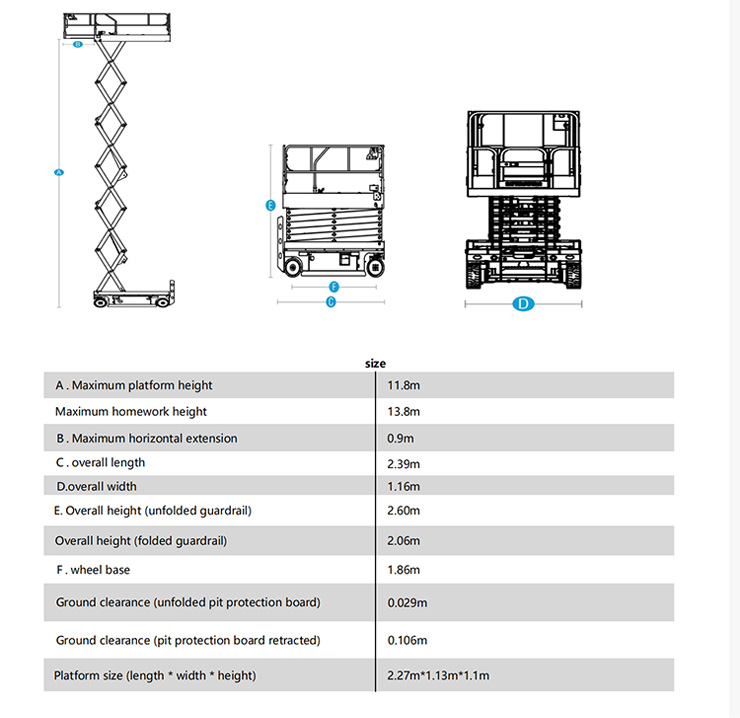
| Working height range | 6 m – 16 m |
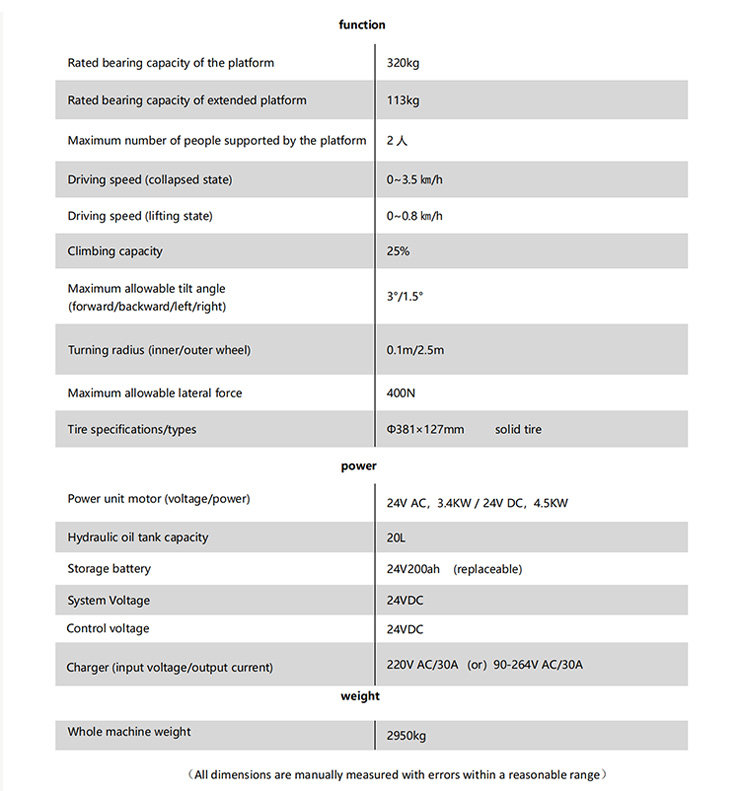
| Platform load capacity | Up to 500 kg |
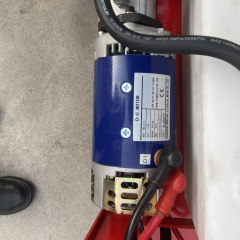
| Drive | Self-propelled, on-board electric drive |
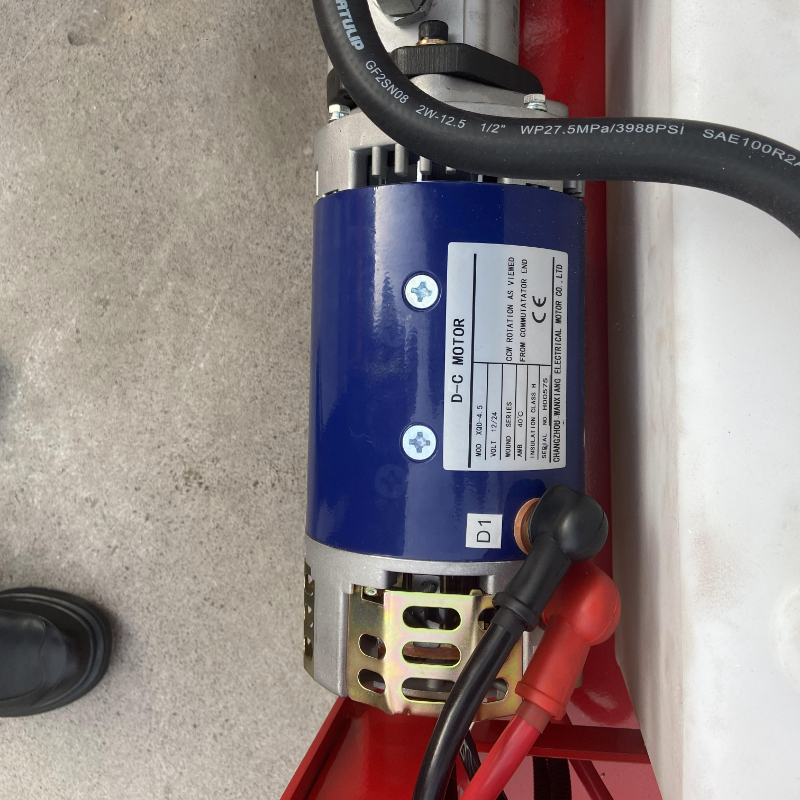
| Lift mechanism | Hydraulic scissor arm stack |
| Guardrails | Folding guardrail assembly |
| Controls | Base-chassis control panel with emergency stop |
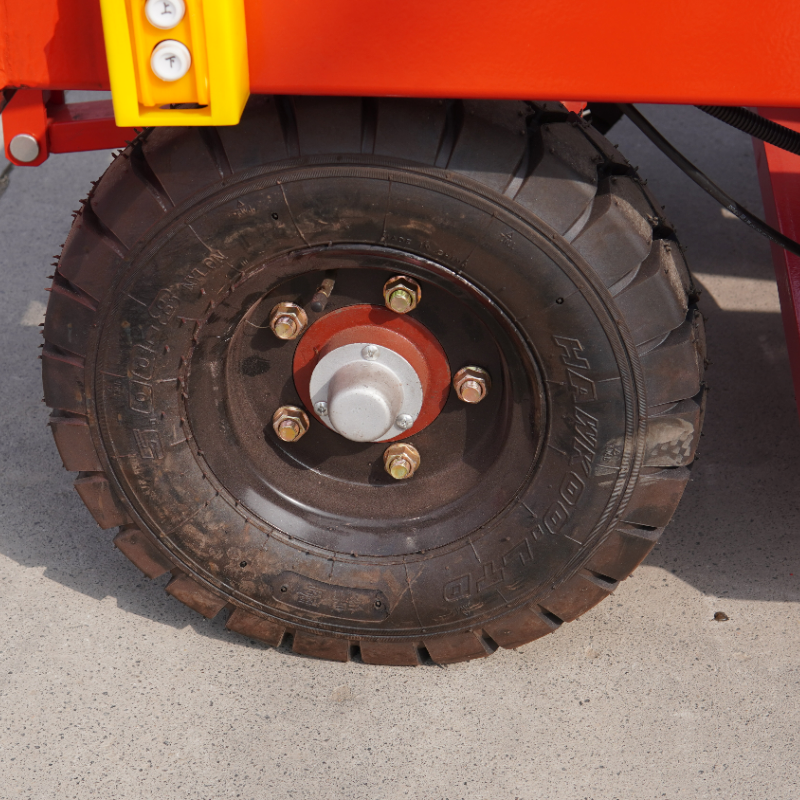
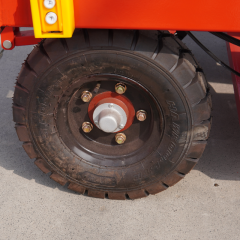
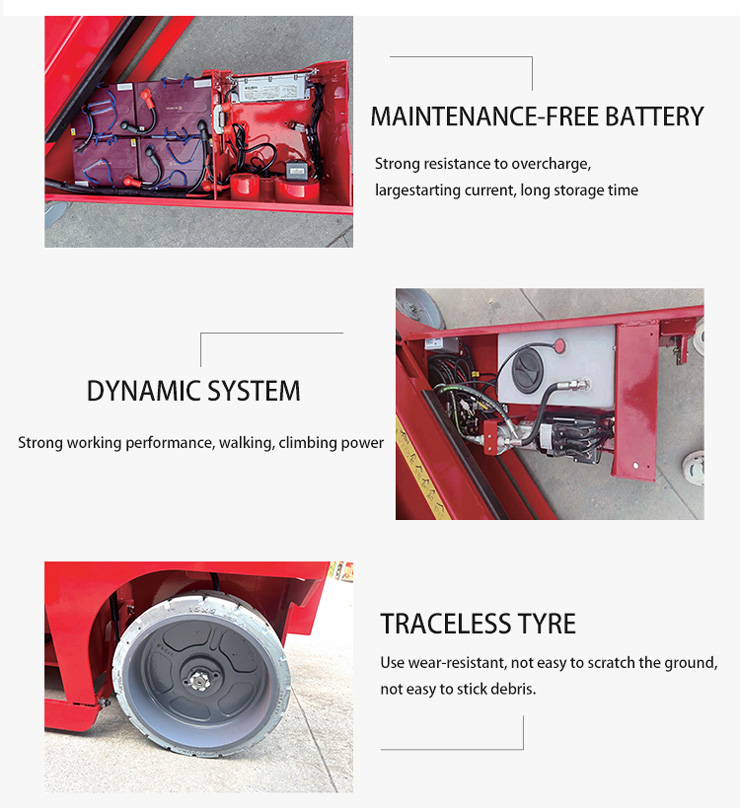
| Tyres | Solid rubber |
| Working surface | Level, firm ground, indoor or outdoor |
Fitting this scissor lift into a real building comes down to a handful of measurements, and they are worth taking before the order rather than after delivery.
Start with the working height. Measure the highest point the crew has to reach, then add the room the operator, their tools and the task itself need above it. That total is the figure to match against the model in the range — if it lands inside the 10-metre class, this machine is the right one, and if the tallest task is higher, tell us and we will match the next model up.
Then the entry route. Measure the narrowest doorway or gate the machine has to pass, and the height of that opening with the guardrails folded. Check aisle and corridor widths along the whole route, and the turning space at the end of it — a lift needs room to swing as well as to travel.
Ground conditions come next. The machine performs optimally on level, firm surfaces such as finished concrete and packed yards. If you plan to drive it onto a mezzanine, a suspended slab or an upper deck, check the load-bearing capacity of that floor before the machine arrives; a structural engineer's opinion is the right way to settle it.
Finally, look up. Racking beams, ductwork, cable tray, lighting trunking and roller doors all set a ceiling on how far the deck can usefully be raised. Where an obstruction sits close to your working height, plan the working position so the deck stops short of it rather than relying on the operator to judge it in the moment.
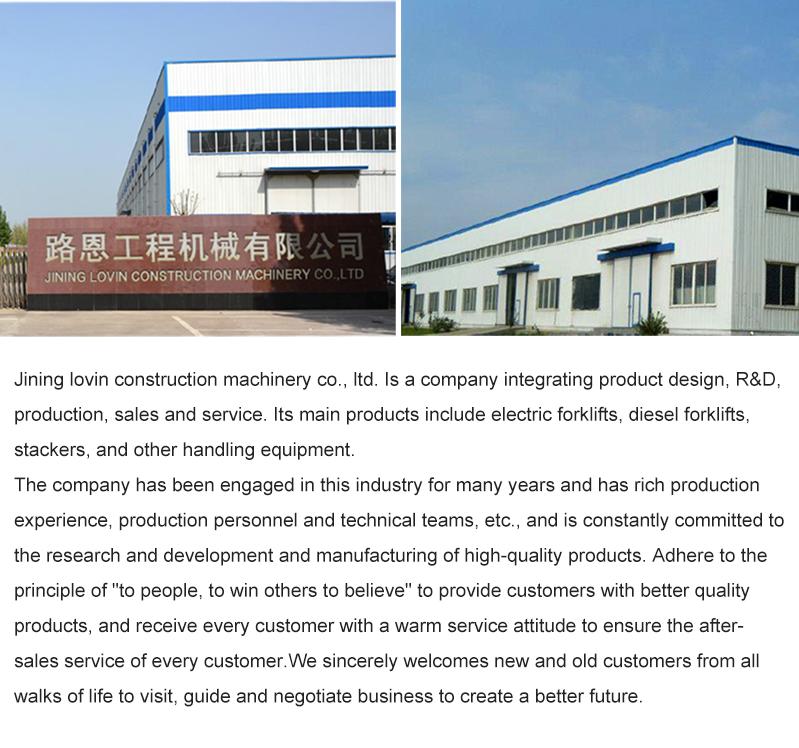
Lovin (Jining Lovin Construction Machinery Co., Ltd.) has supplied machinery buyers since 2017 as a distributor, sourcing through authorised channels and a verified supplier network. One order can cover the machinery mix your customers ask for and leave as a single consolidated shipment. Stocked items dispatch within about 7 days; lead times are confirmed against availability at enquiry, and busy-season schedules are agreed with suppliers in advance. OEM and customised builds follow the same route, and spare and wear parts stay supported after delivery. We export to Europe, South America, the Middle East, Australia, New Zealand and Russia.
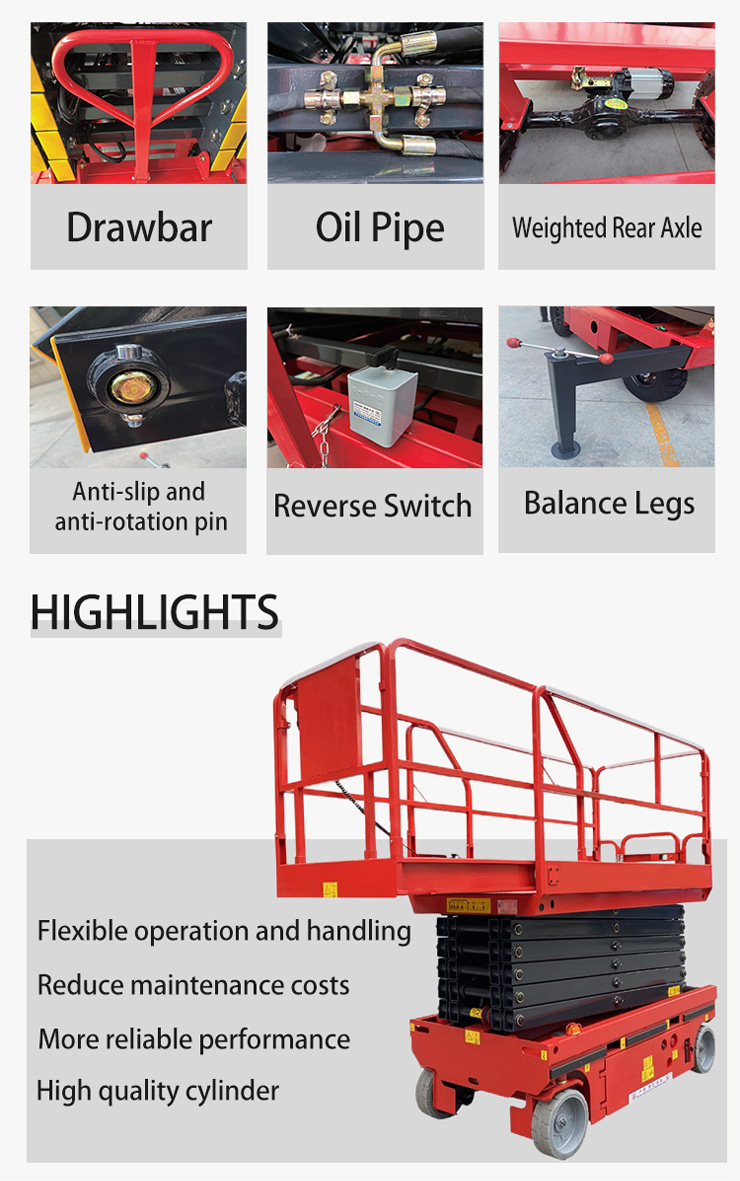
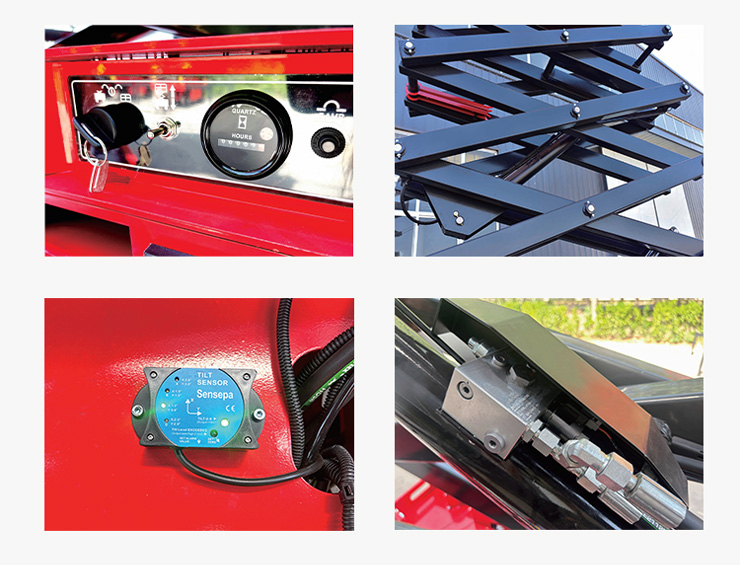
The deck is enclosed by folding guardrails, and it rises on a hydraulic scissor arm stack that holds the platform level through the lift rather than letting it sway. An emergency stop sits on the base control panel so anyone at ground level can stop the machine, and anti-rotation pins keep the scissor arms aligned as they travel. A fault diagnosis system flags a problem before it becomes a stoppage, and a reverse switch lets the operator back out of a tight position. Keep the load inside the deck's rated figure and keep tools and materials within the guardrail — this machine is designed to be worked from, not overloaded.
The standard build covers the self-propelled height range and its rated deck load, and many sites are served by that configuration as it stands. If your project needs something different — a working height matched to a specific building, a deck arrangement for a particular task, or a configuration that suits the way your crews work — send us the working height, the deck size you need and the environment, and our technical team will work through the custom specification with you. We handle build-to-order enquiries alongside stock orders, and we will be straightforward about what can be changed on the build and what cannot.
Regular inspection is what keeps the machine reliable. The scissor mechanism, the hydraulic system and the drive components are the three areas to check on a set schedule, together with the guardrail fixings, the pins and the tyres. We supply maintenance guidelines with each machine so your team can follow the same routine shift after shift, and our service support stays available afterwards for technical questions and parts. If something is flagged before a shift, deal with it before the next lift rather than running to the end of the day.
Because the drive is on the chassis, the lift can move itself short distances on level ground once it is on site — it does not need to be towed into position. For transport it is loaded onto a standard transport vehicle; tell us about the site access and we will advise on the loading and offloading arrangement that suits it. Setting up afterwards is minimal: lock the guardrails upright, check the deck is clear, run the system checks, raise and lower the deck once to confirm everything works, and the machine is ready for work.
Measure the highest point the crew has to reach and add the room the operator, their tools and the task itself need above it — that total is the working height you are buying. Then match it to the model in the self-propelled range. Most buyers asking about this model are covering the 10-metre class, which is where indoor maintenance and installation work usually sits; if your tallest task is above that, tell us and we will point you to the taller model in the same range.
The controls are laid out to be straightforward, which shortens the learning curve, but every operator should still be walked through the machine's controls, the deck's rated load, the guardrail and emergency stop arrangements, and your own site rules for working at height before their first lift. We can talk your team through the operating routine and the checks that belong at the start of a shift. Keep the machine on the firm, level surfaces it is designed for, and it will behave predictably for a first-time operator.
Yes. This is a 10 m electric scissor lift for indoor warehouse maintenance and plant work, and that is where it spends most of its life. The electric drive means there is no exhaust to ventilate and no fuel to store, and it runs quietly enough to work in an occupied building without disrupting the operation around it. The solid rubber tyres travel over sealed and finished floors without leaving marks, and the folding guardrails let it pass through doorways between halls. Keep it on level, finished surfaces — it is a floor machine, not a rough-terrain lift.