Product Overview
An infrared asphalt heater softens pavement in place instead of breaking it out. The heating plate radiates infrared energy into the surface course and raises the temperature of the asphalt already in the road until it becomes workable again — soft enough to rake, level and re-compact together with the material that surrounds it. The result is a repair that knits into the existing surface rather than sitting behind a sawn edge.
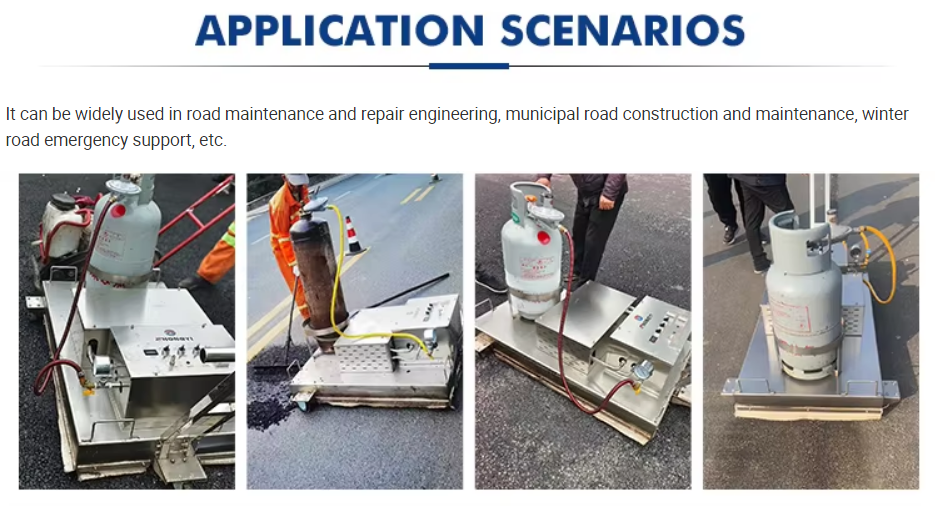
The machine is built for road construction and maintenance. On repair work it is used on potholes, failed surface lifts, utility reinstatements, joint repairs and the asphalt around manhole covers and kerbs. On new work it is used to reheat and soften a surface before that surface is reworked.
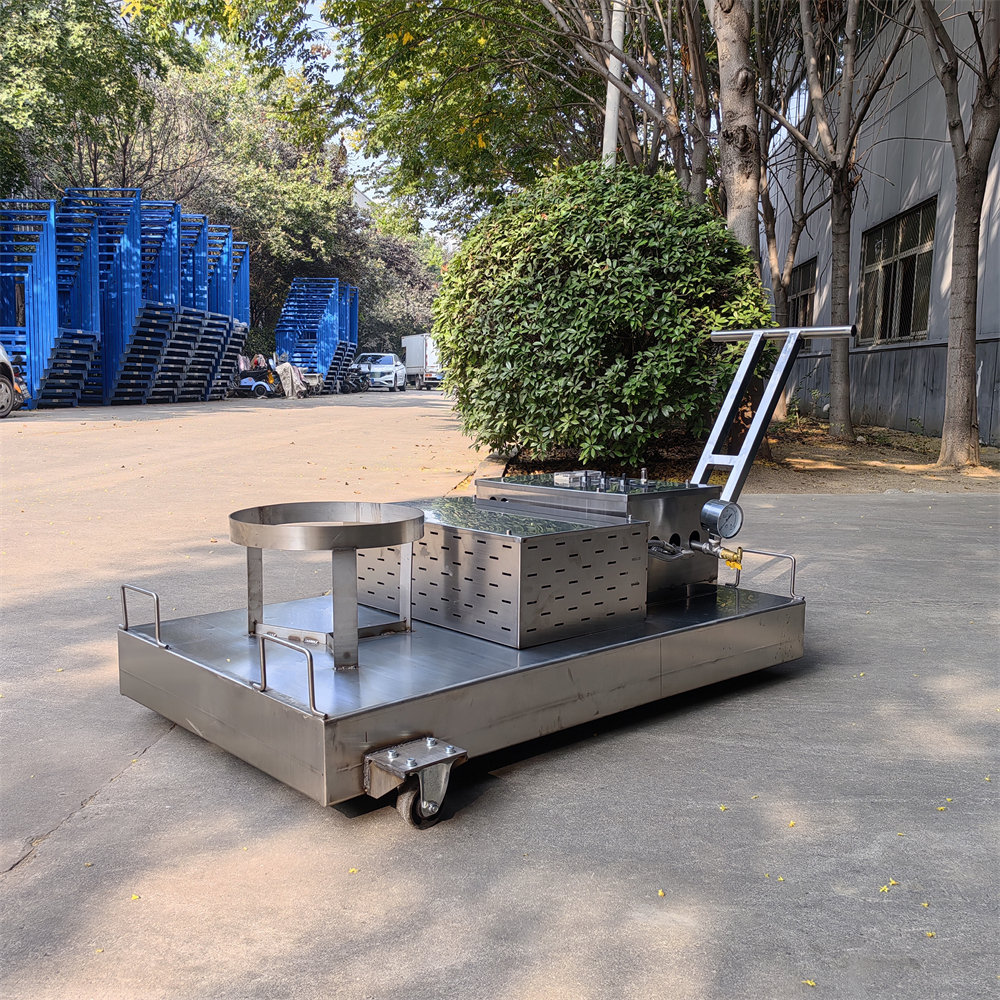
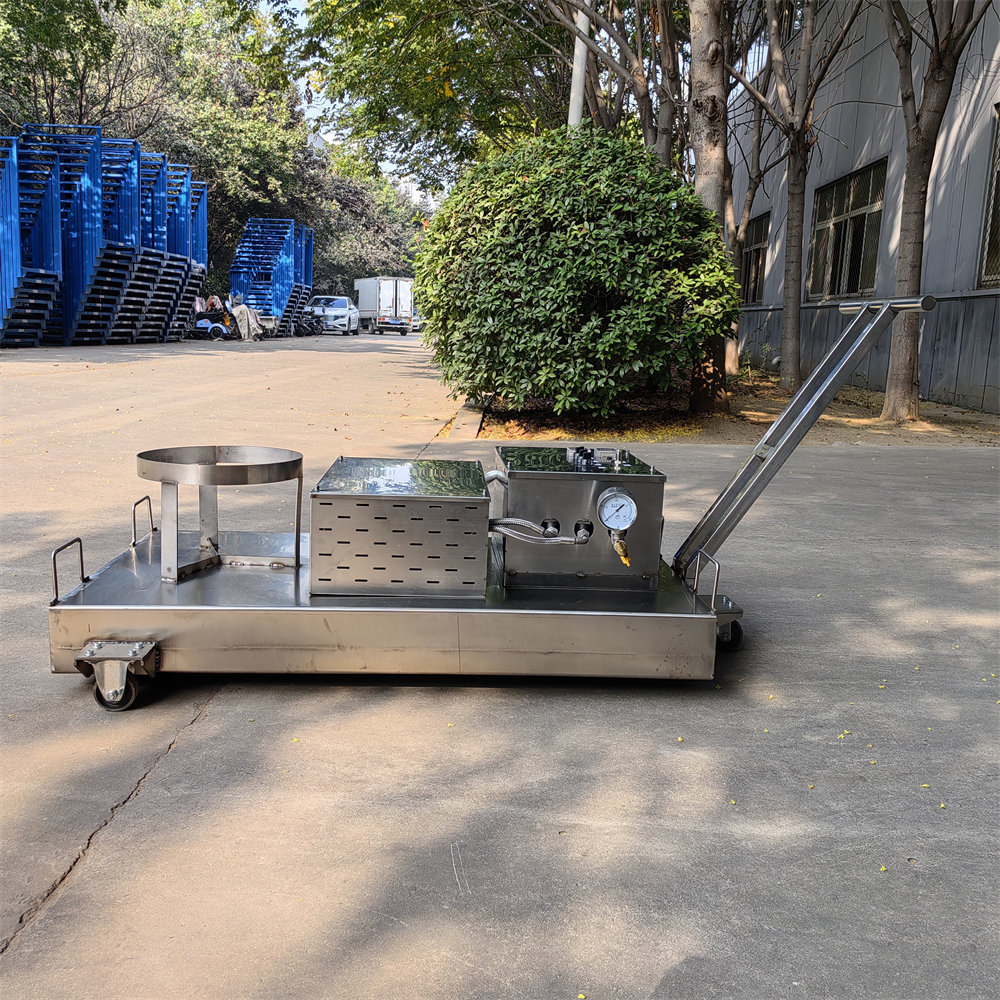
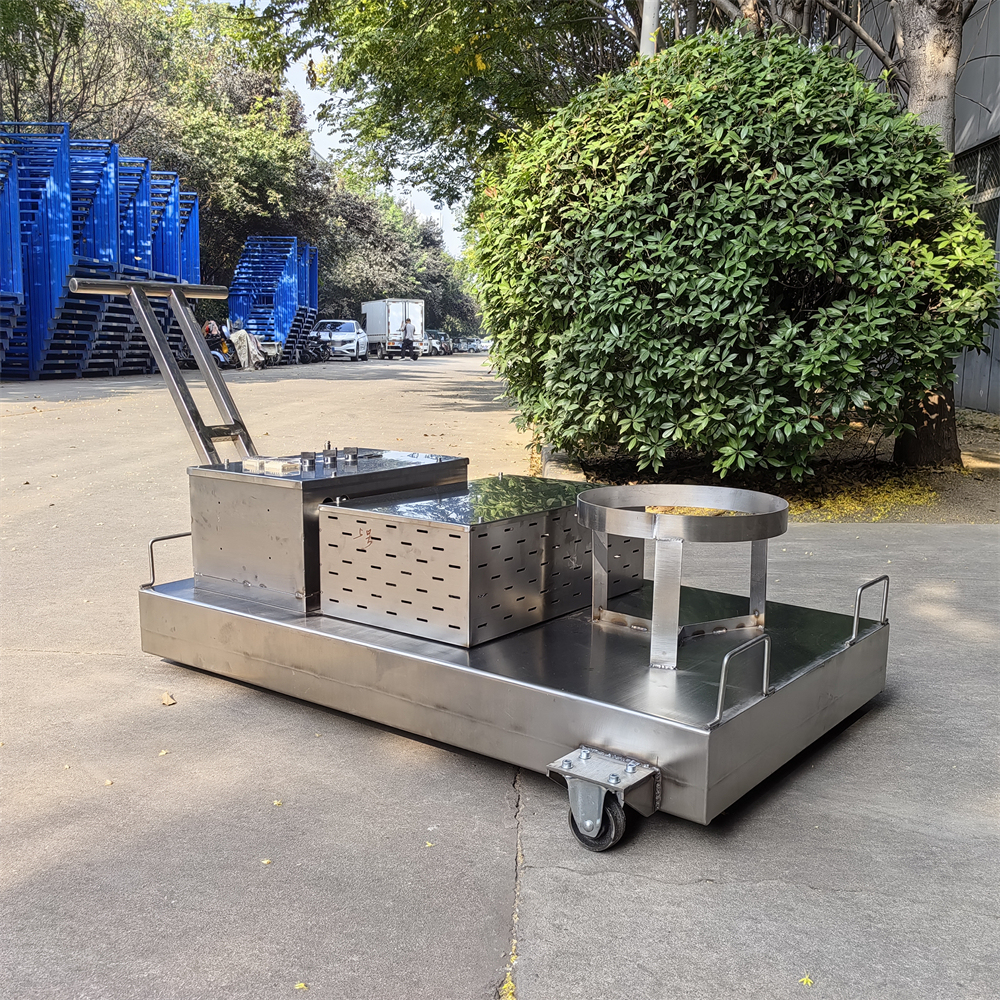
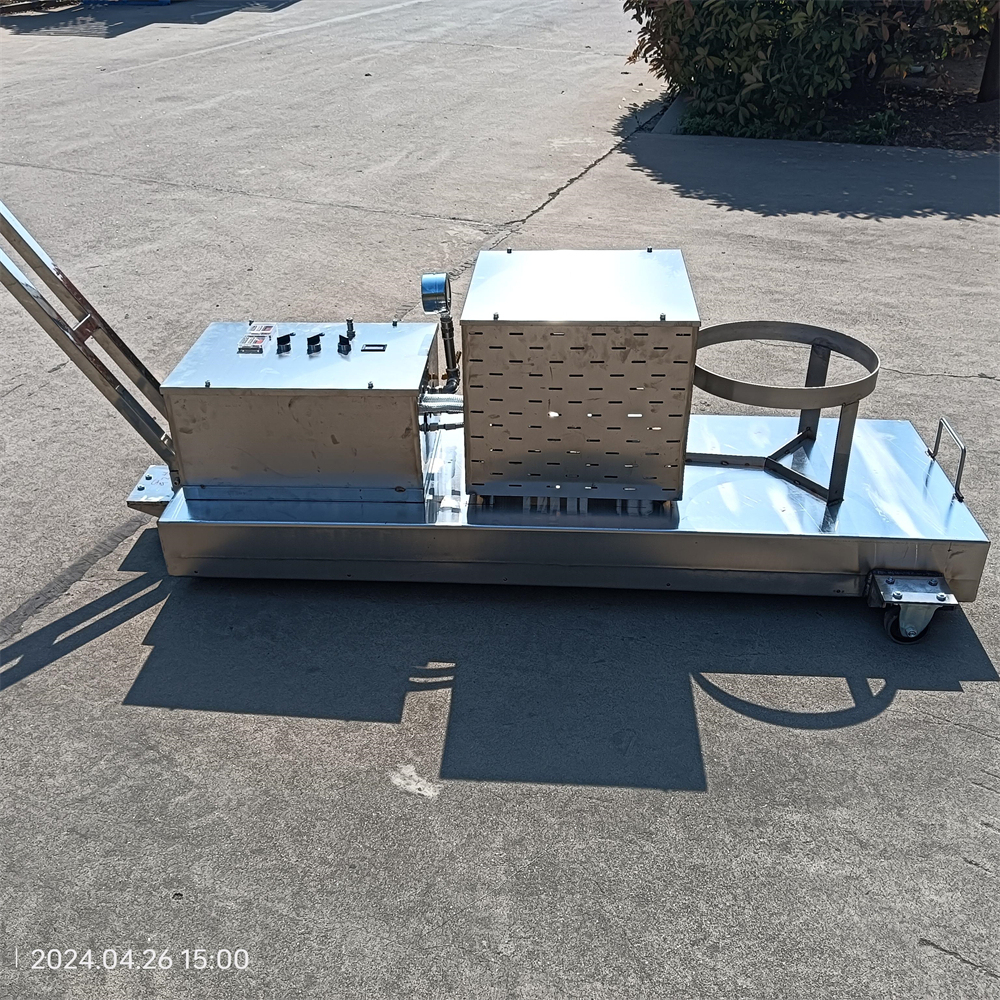
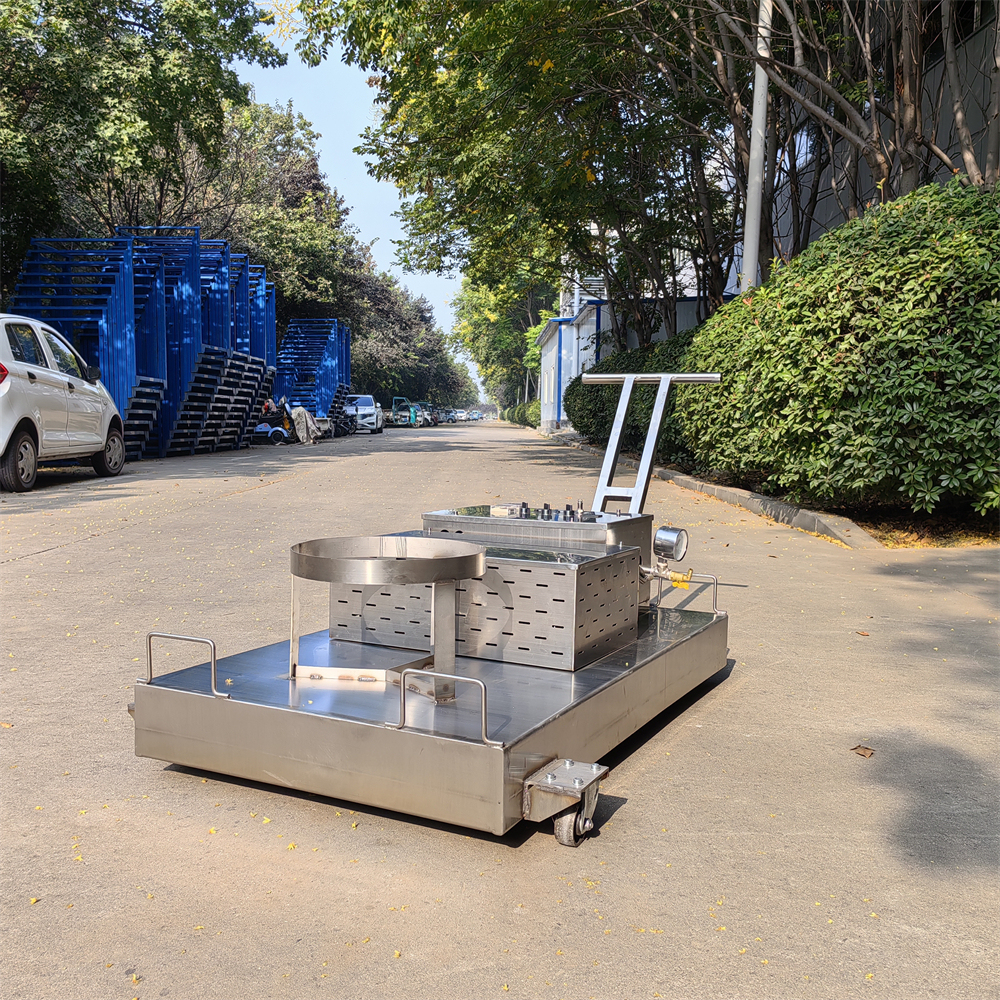
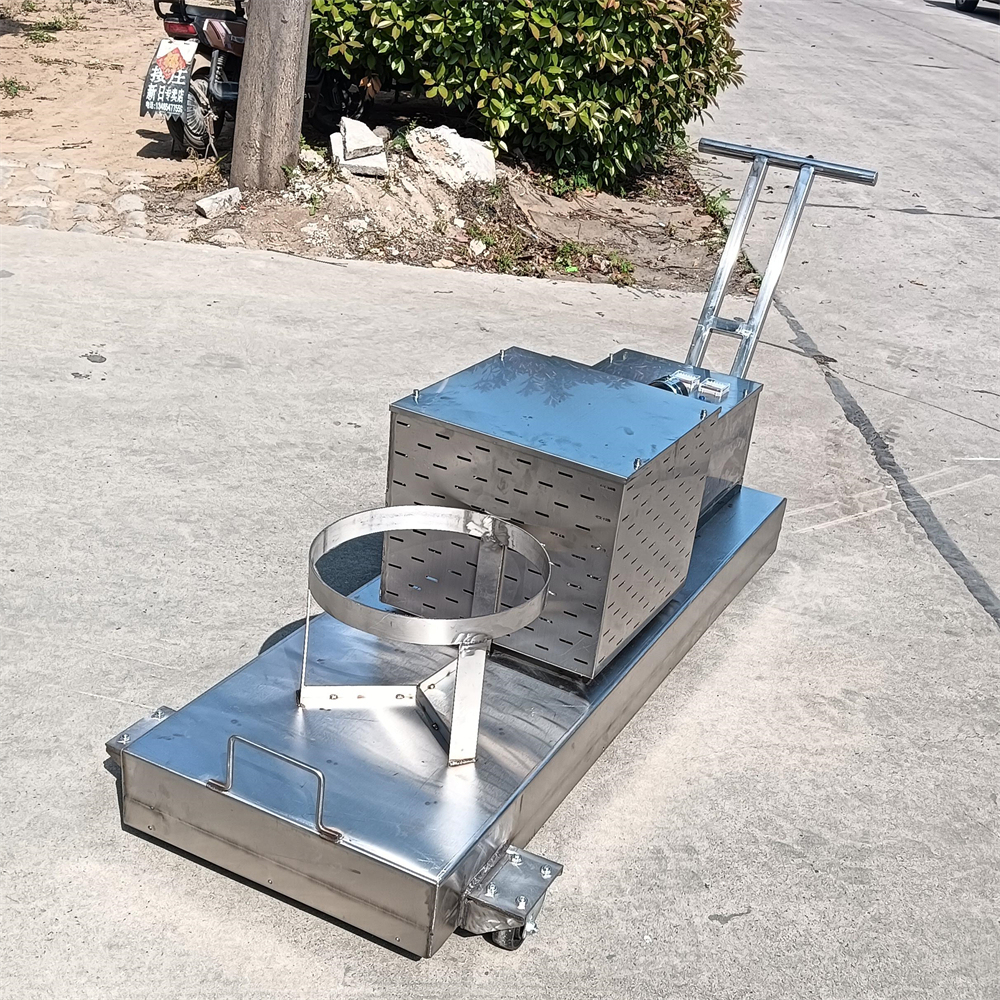
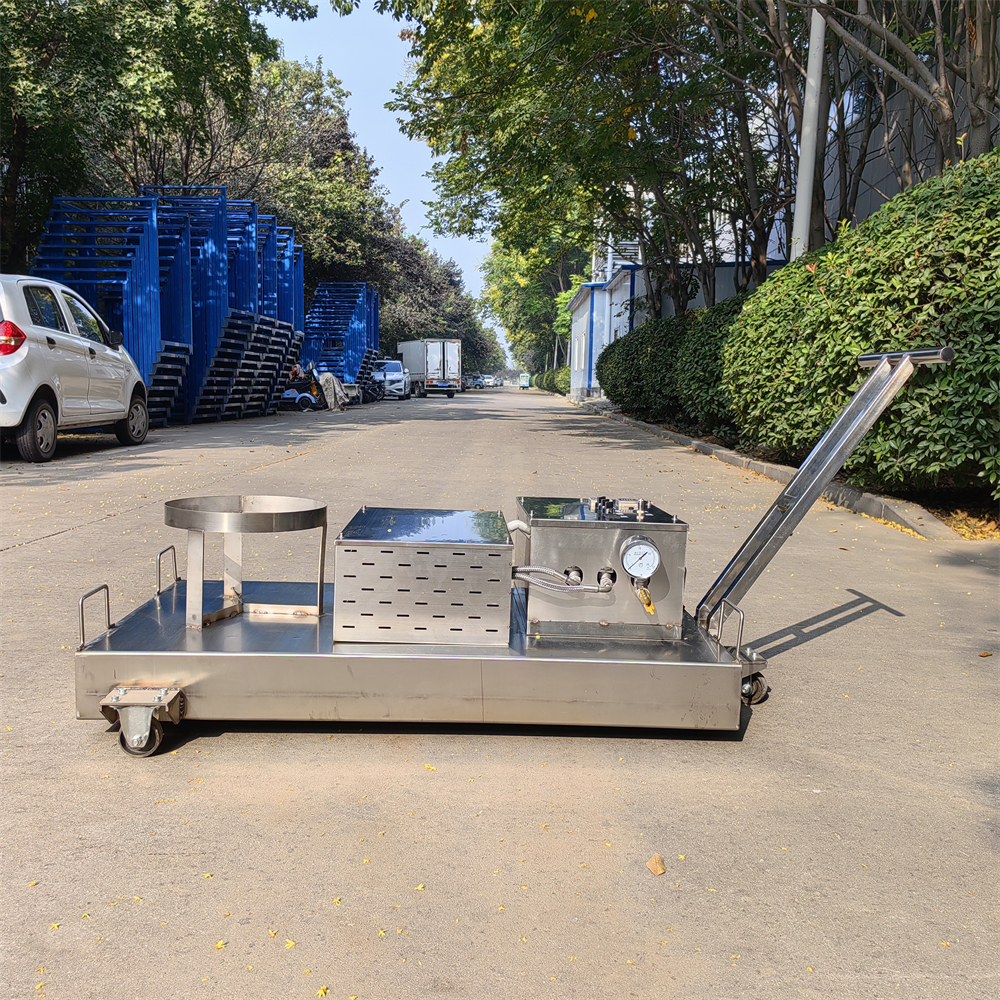
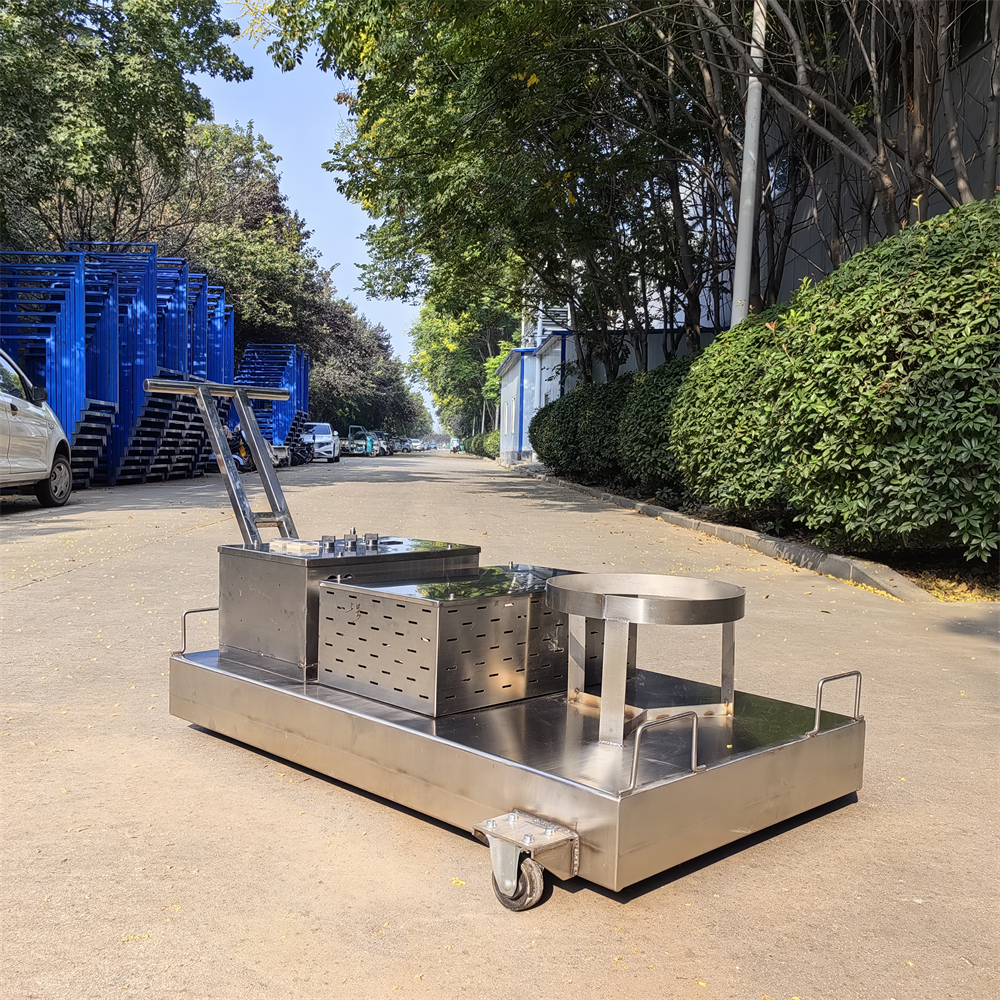
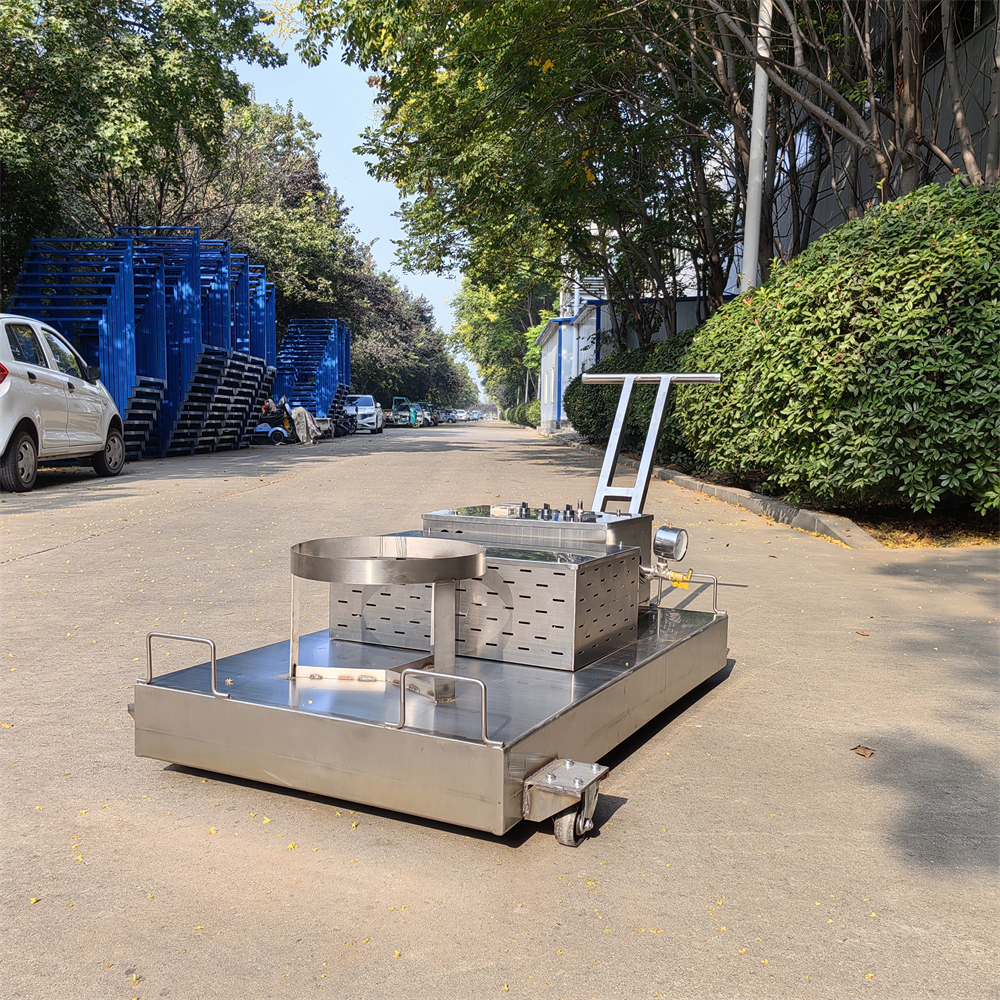
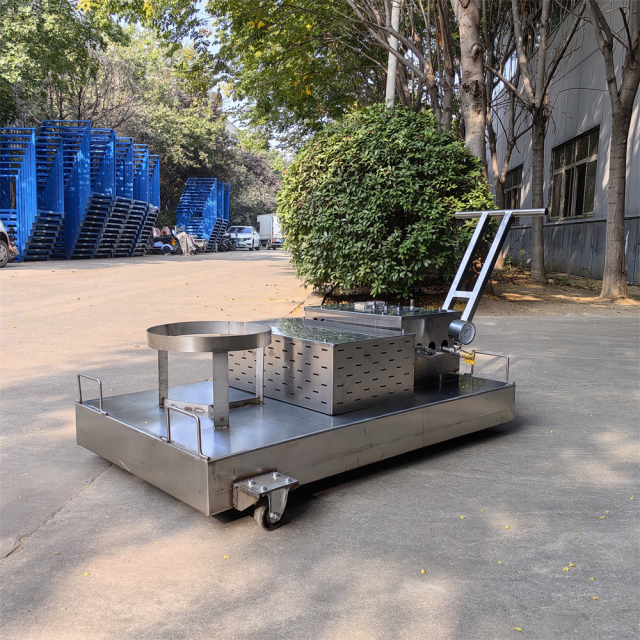
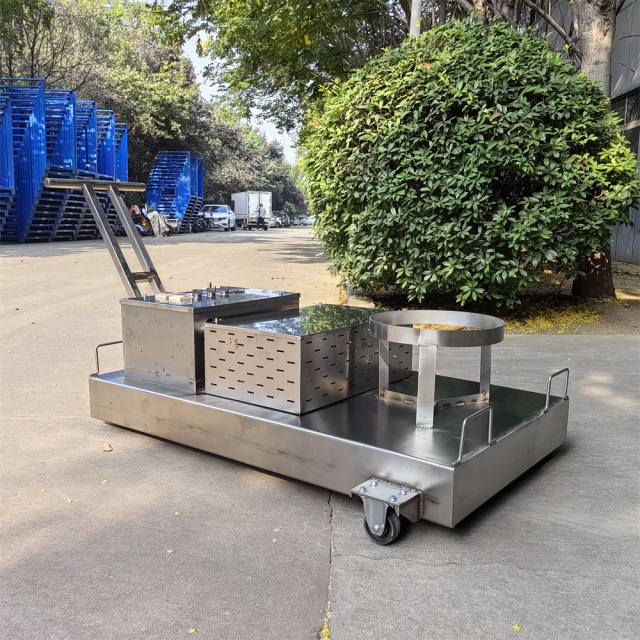
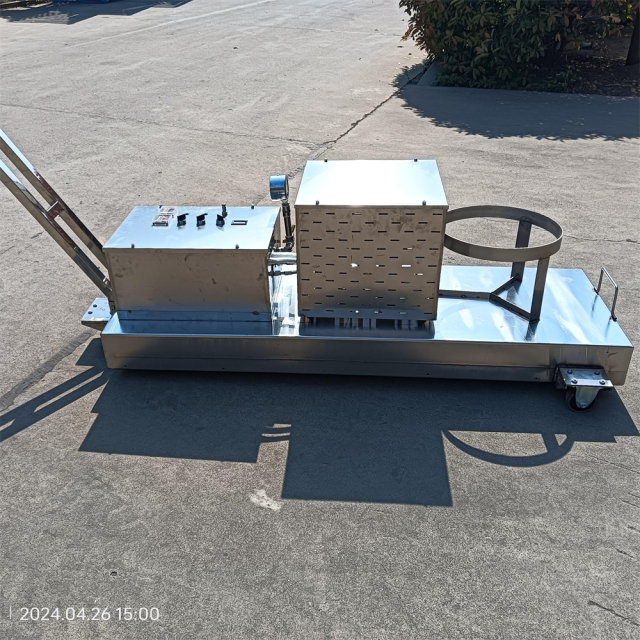
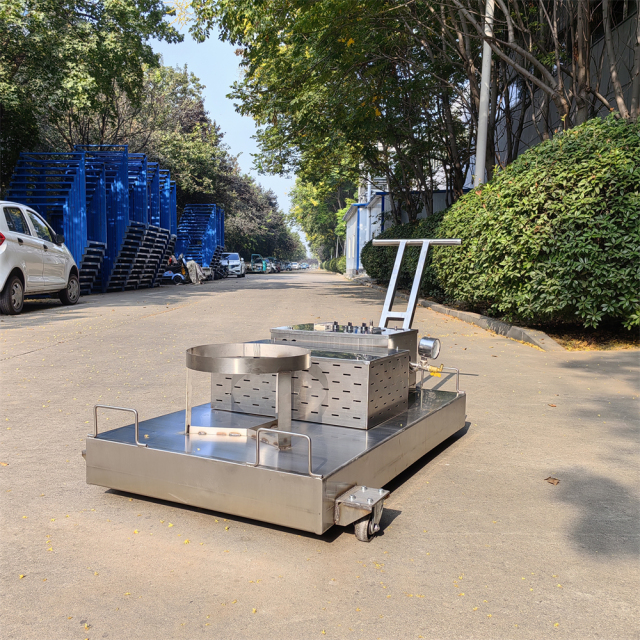
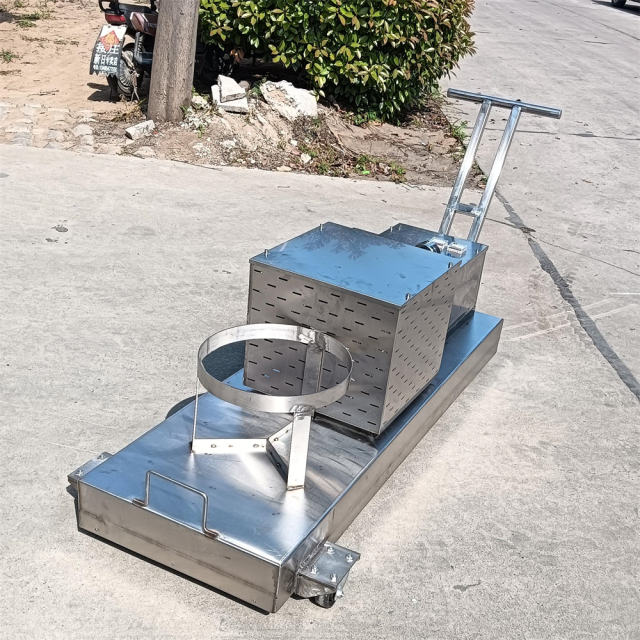
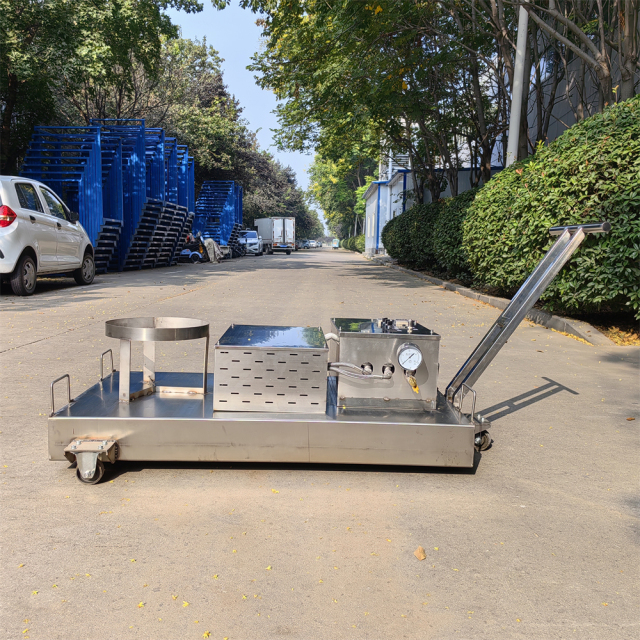
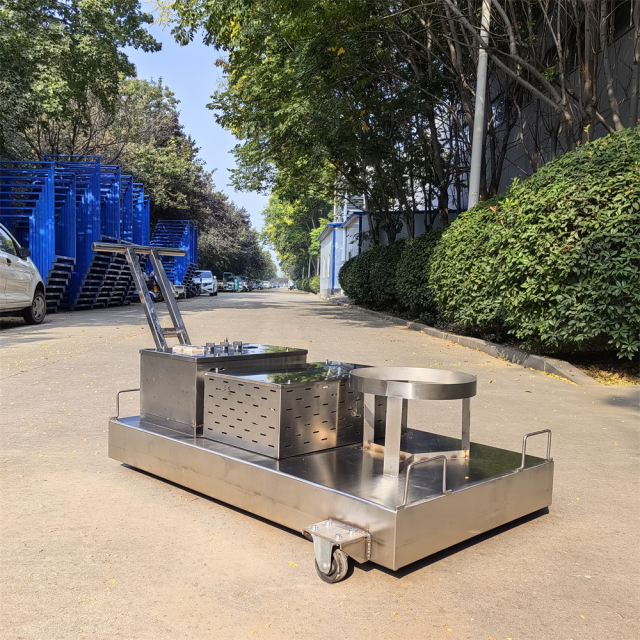
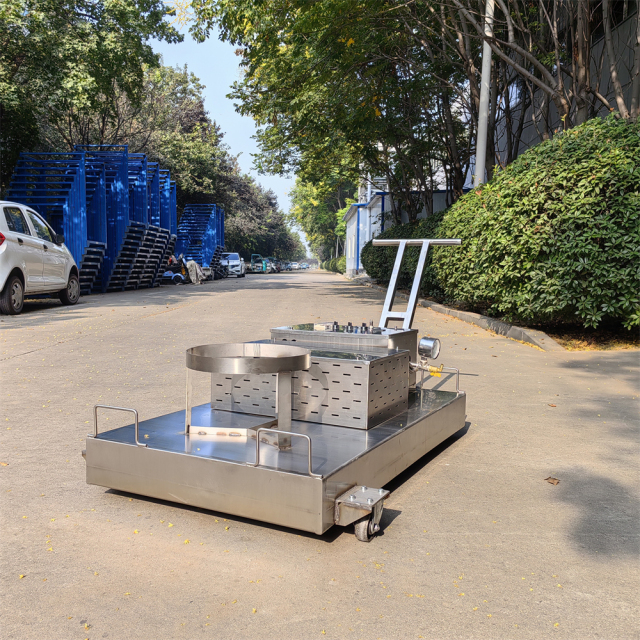
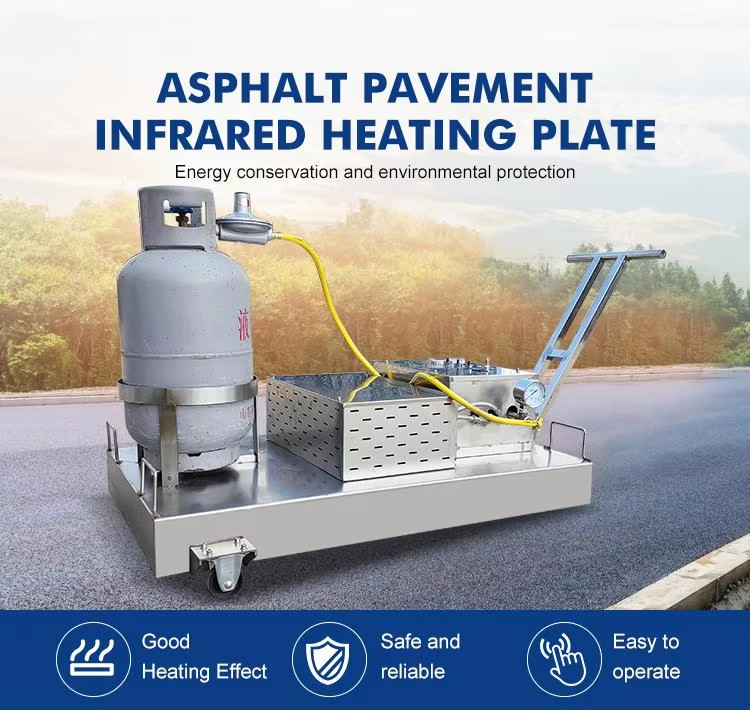
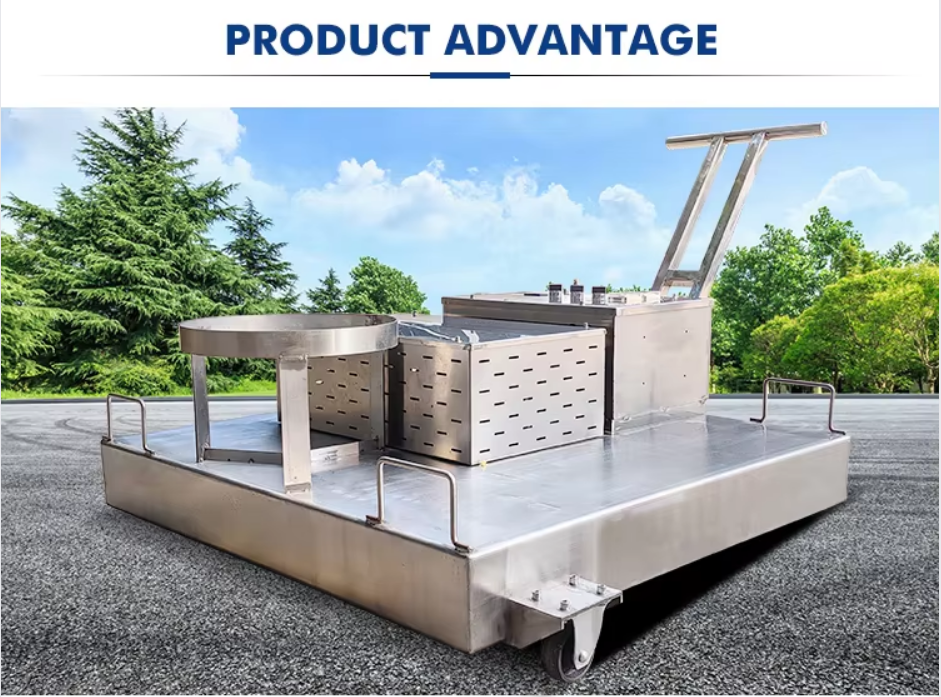
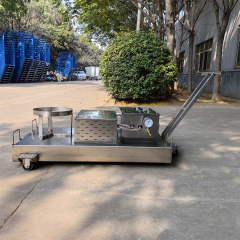
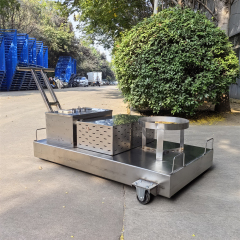
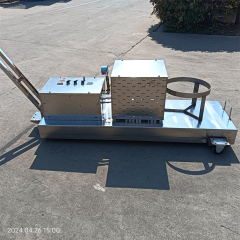
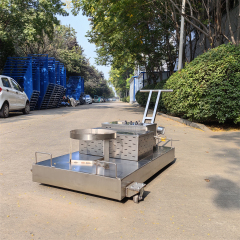
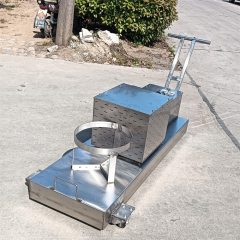
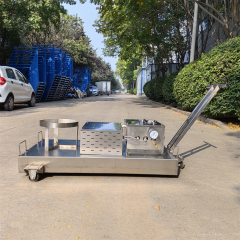
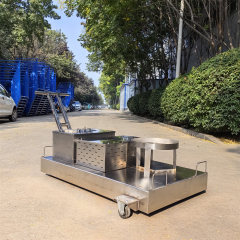
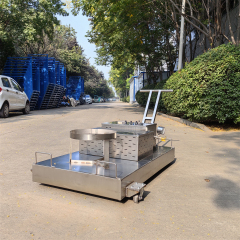
This is a compact, mobile tool rather than a plant item. It sits on a wheeled body with a folding pull handle and a gauge on the housing, so one operator can walk it along a repair area and check the unit before starting a cycle.
Buyers usually arrive from one of two directions. Maintenance and reinstatement contractors use it to make patches that hold. Municipal and utility crews use it where a repair has to disappear into the road surface instead of reading as an insert. In both cases the expensive part of a patch is not the asphalt — it is the cutting, the hauling and the return visit when the edge fails.
Set against the alternative, the difference is procedural. A conventional patch is cut out, broken up, hauled away and rebuilt from fresh mix, which leaves a hard joint between new material and old road. Heating softens the material either side of that joint as well as the repair itself, so the new work can be compacted into the old surface as one piece.
Heating Capability & Working Parameters
- Softening depth of 5–6 cm — A normal heating cycle softens the pavement to a depth of 5–6 cm as a rule, which is a typical surface course lift. That is deep enough to rake, level and re-compact the material already in the road, and it keeps the heat in the layer being repaired rather than disturbing the base underneath.
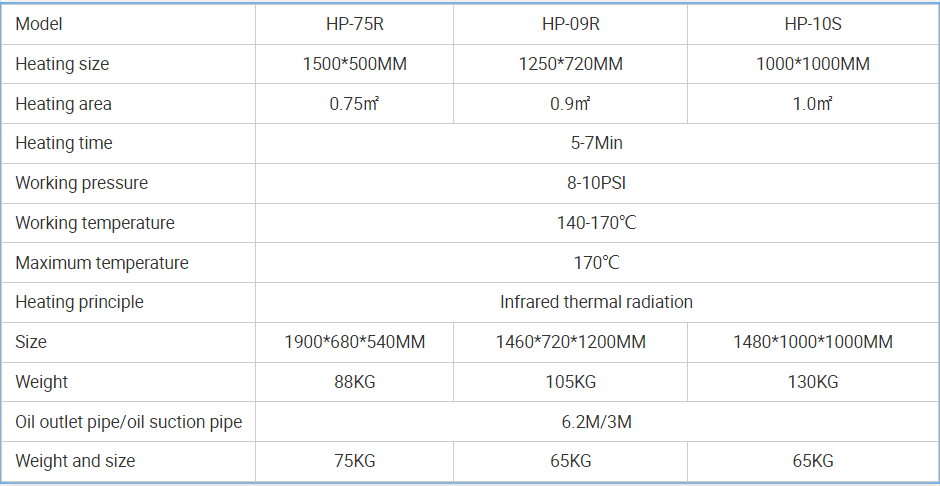
- Working temperature held at 140–170 °C — The plate runs inside a controlled band set by the asphalt heater manufacturer instead of at the highest temperature it could reach; the maximum is about 170 °C. The repair is heated to the same band throughout, so the material behaves consistently from the first rake to the final pass of the compactor.
- Even heating across the whole plate — The plate covers the repair area in one application, so the perimeter softens as thoroughly as the centre. Level repairs come from level heating; a cold edge is what leaves a ridge at the joint and a lip for traffic to catch.
- Ready in a short cycle — The working depth is reached in a short period of time, which keeps the repair area occupied for less of the working day and lets a crew move from one patch to the next without waiting on the machine.
- No overheating and no blackened surface — Asphalt pushed past its working limit ages and burns, which shows up later as a brittle, blackened surface that will not bind. Holding the temperature inside the band protects the binder in the material being reused and keeps the finished repair the same colour as the road around it.
- No under-heated, unworkable patches — If the surface does not soften through, it cannot be raked or re-compacted and the patch fails early. Because the plate works to a set band, the crew is not judging heat by eye or by feel.
- A repair that integrates with the original road — The softened material is worked back into the surrounding pavement before compaction, so the finished surface is smooth and solid and reads as part of the original road rather than an insert. That is what an infrared asphalt heating machine for road patch repair is bought for — the joint, not the pothole, is what fails first.
- Less new asphalt per repair — Most of the repair is material that is already in the road; fresh hot mix is used to bring the area back to profile rather than to rebuild it. Across a programme of repairs, that shows up as fewer tonnes hauled in and less material carted away.
Patch Repair Workflow
- Mark the repair and clear the surface — sweep or blow loose grit, gravel and debris off the area. Heat passes into the asphalt from the plate, so anything left lying on the surface simply insulates the pavement you are trying to soften.
- Position the heating plate — set the machine so the plate covers the repair and overlaps the sound pavement around it by a working margin. That overlap is what lets the joint area soften along with the repair.
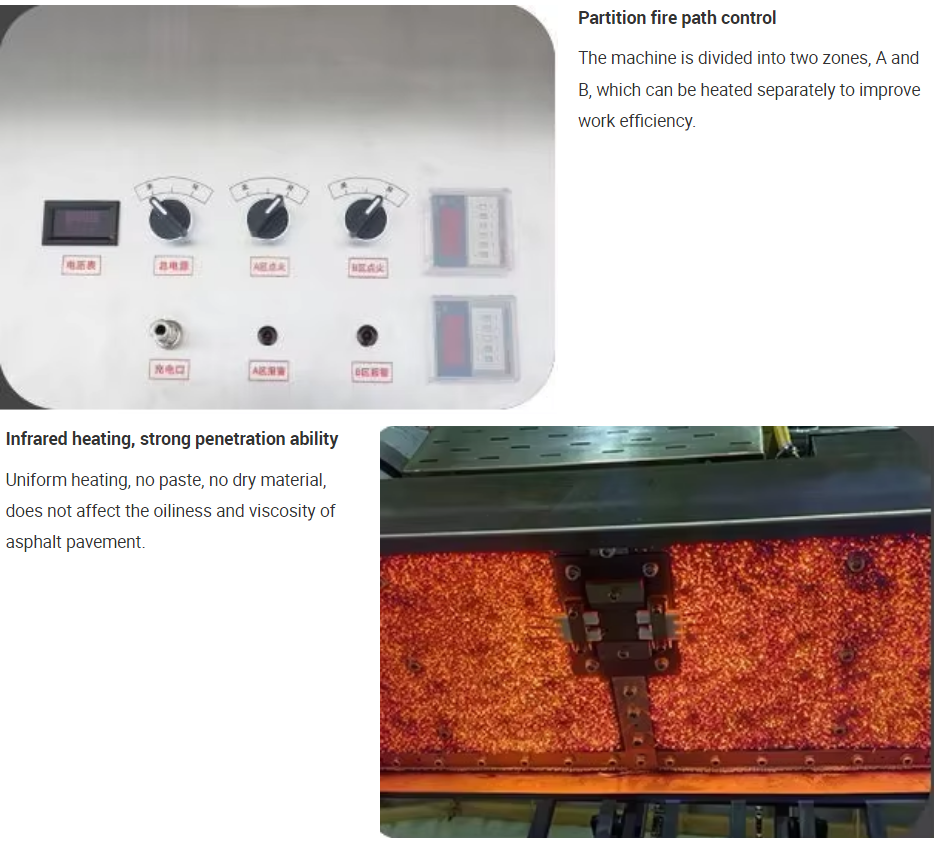
- Start the heating cycle — press the button. The burner ignites automatically and the infrared asphalt heater runs to its preset parameters; there is nothing to adjust while it heats.
- Heat until the surface is workable — the material should be soft through the surface lift, not warm on top only. On a cold or windy day, allow the cycle to run a little longer and keep the plate over the area.
- Rake and scarify the softened material — work it across the repair and into the edges of the surrounding pavement so old and new material blend. This is the step that blends old and new into one joint, and it is worth the few extra minutes.
- Top up to profile — bring the area back to level with fresh hot mix and rake it across the whole repair so there is no step at the edge.
- Compact from the outside in — roll or plate-compact the repair, working from the edges towards the centre, and check the finished level against the surrounding surface.
- Let the repair cool before reopening — the surface is stable once the material has cooled and set. Check the joint line, clear the site and reopen the lane, bay or yard.
Safety & Operating Controls
- Automatic ignition — The cycle starts from the control panel, so there is no manual lighting and no torch work at a hot plate.
- Flameout protection — If the flame drops out mid-cycle, the fuel supply is shut off instead of being allowed to build up at the burner.
- Continuous flame monitoring — The flame is watched through the whole cycle, not only at start-up, so a change during heating is picked up straight away.
- Safety alarm — If anything reads outside the normal range, the alarm tells the operator immediately. The crew can stop the cycle, check the machine and carry on once it is clear, instead of discovering a problem at the end of the shift.
- Controls a new operator can read — The interface is short and direct: start, stop and status. A worker who has never used a pavement heater before can be shown through the cycle in a few minutes and run it the same day.
- Preset parameters, consistent results — Once the cycle starts, the machine works to its preset settings. Results do not change with the operator's skill level or with how busy the site is.
- Built for work beside live traffic — Automatic start, flame monitoring and a clear alarm mean the crew spends less time standing at the plate with the lane closed. In road maintenance, the safest site is usually the shortest one.
- Fewer manual steps, fewer mistakes — Nothing has to be lit, pumped or watched by hand during the cycle, so the failures that normally creep into a small repair — a flame that has gone out unnoticed, a plate left running unattended — are handled by the machine itself.
Applications & Who It's For
Road maintenance and reinstatement contractors are the core buyers. They use it for pothole patching, failed surface lifts, trench and utility reinstatements, and the repairs that follow pipe or cable work — jobs where the surface around the opening has to be matched back into the road. The machine lets a small crew finish those repairs with material that is already on site.
Municipal and public works departments use it for the repairs the public actually sees: urban lanes, residential streets, kerb lines, the strip where a footway meets the carriageway, and the asphalt around manhole covers and drainage fittings. A patch that blends into the road is far easier to defend than one that has been cut in and stands out.
Utility and service contractors — water, gas, telecoms and drainage — work the same way. After a service repair, the reinstatement is heated and worked back so the surface around the excavation is continuous with the rest of the street rather than a visible square.
Paving and resurfacing contractors use it on the joints and edges of larger works, to reheat a surface before it is reworked, and for remedial repairs where cutting out would mean closing more of the road than the job justifies.
Car park, yard and estate maintenance teams use it on asphalt parking areas, industrial yards and access roads, where a pothole is a liability and a complaint rather than an engineering project.
Equipment dealers, importers and rental fleets add the infrared asphalt heater to a road maintenance line instead of stocking another heavy machine. It is compact, it ships alongside other equipment, and it answers a job that local contractors and councils ask for again and again. We supply through established asphalt heater manufacturer partners, so the unit, the controls and the parts behind it come from one channel.
Different buyers, the same trigger: a repair programme that has to be done properly, by a small crew, inside a short closure, with the material that is already in the road.
Ordering & Delivery
- Tell us what the repairs look like — the typical size of your repairs, the surface you work on, and whether you are buying a single unit, adding to a fleet, or stocking a road maintenance line for your own customers.
- Confirm the machine for your site — tell us how you plan to run it and what documents your market requires. If the unit has to be built to your specification, send the details through and we will confirm what is possible.
- Receive the stock and dispatch confirmation — in-stock units are dispatched within about 7 days. If an item has to be built by the asphalt heater manufacturer, or the order is large, we confirm the schedule with you before you commit.
- Shipping and export handling — logistics and shipping with global export expertise to your destination port, including the packing and shipping documents that travel with the order.
- Agree payment and packing details with your sales contact — payment terms, packing and destination requirements are confirmed on the order, so nothing is left open at the port.
- Ask for the recommended spare list — the supply fittings, burner and control parts and the plate are the items that keep a heater working. Request the recommended spare list with your order so a repair is never waiting on a part.
- Plan repeat and programme orders — if you are running a season of repairs or supplying several crews, tell us your programme and we will plan stock and shipping around it.
Supply Chain & Delivery Assurance
Lovin (Jining Lovin Construction Machinery Co., Ltd.) has supplied machinery buyers since 2017 as a distributor, sourcing through authorised channels and a verified supplier network. One order can cover the machinery mix your customers ask for and leave as a single consolidated shipment. Stocked items dispatch within about 7 days; lead times are confirmed against availability at enquiry, and busy-season schedules are agreed with suppliers in advance. OEM and customised builds follow the same route, and spare and wear parts stay supported after delivery. We export to Europe, South America, the Middle East, Australia, New Zealand and Russia.
FAQ
Q1. What condition should the pavement be in before heating?
The cleaner the surface, the more evenly the heat goes in. Sweep or blow loose grit, gravel and debris off the repair, and clear any standing water, because material lying on top of the asphalt insulates it from the plate. You do not have to cut the area out or take it back to bare aggregate — the machine is designed to soften the surface as it stands. If a repair area is broken up or the base under it has failed, it is normally prepared first and then heated before the new material goes in.
Q2. Do we still have to cut the patch out?
No — avoiding that step is the reason most crews buy this machine. The whole point of an infrared asphalt heating machine for road patch repair is that the surface is softened and reworked rather than sawn and replaced, so the repair meets the surrounding road without a hard cut line. On a badly failed area you may still remove loose material or trim a crumbling edge before heating, but you are no longer cutting out a rectangle, hauling it away and rebuilding it from fresh mix.
Q3. How long does the material stay workable once it is heated?
Long enough for a normal repair cycle: heat, rake, top up and compact. Exactly how long depends on air temperature, wind and how thick the surface lift is, so treat the heated area as a working window rather than a settled state. On cold or windy days, heat smaller sections and compact sooner, and never heat more area than the crew can finish and close before it cools.
Q4. How do you handle manholes, kerbs and other fittings inside the repair?
Fittings are usually where a patch starts to fail, so they are worth the extra care. Position the plate so it covers the asphalt around the fitting as well as the repair itself, then rake the softened material up to the fitting and compact it there while it is still workable. Work around the fitting rather than over it; the aim is a surface that seals against it instead of a gap that lets water in.
Q5. What routine care does the machine need?
It is mostly inspection. Before the first cycle of a shift, check the plate, the supply fittings and the gauge on the housing, and keep the plate clean so heat transfers evenly and the next repair does not pick up contamination from the last one. During the cycle the flame monitoring and the alarm do the watching; if an alarm triggers, stop, find the cause and reset before carrying on. Beyond that there is no long maintenance routine — the machine is built to be started, run and shut down between jobs.