


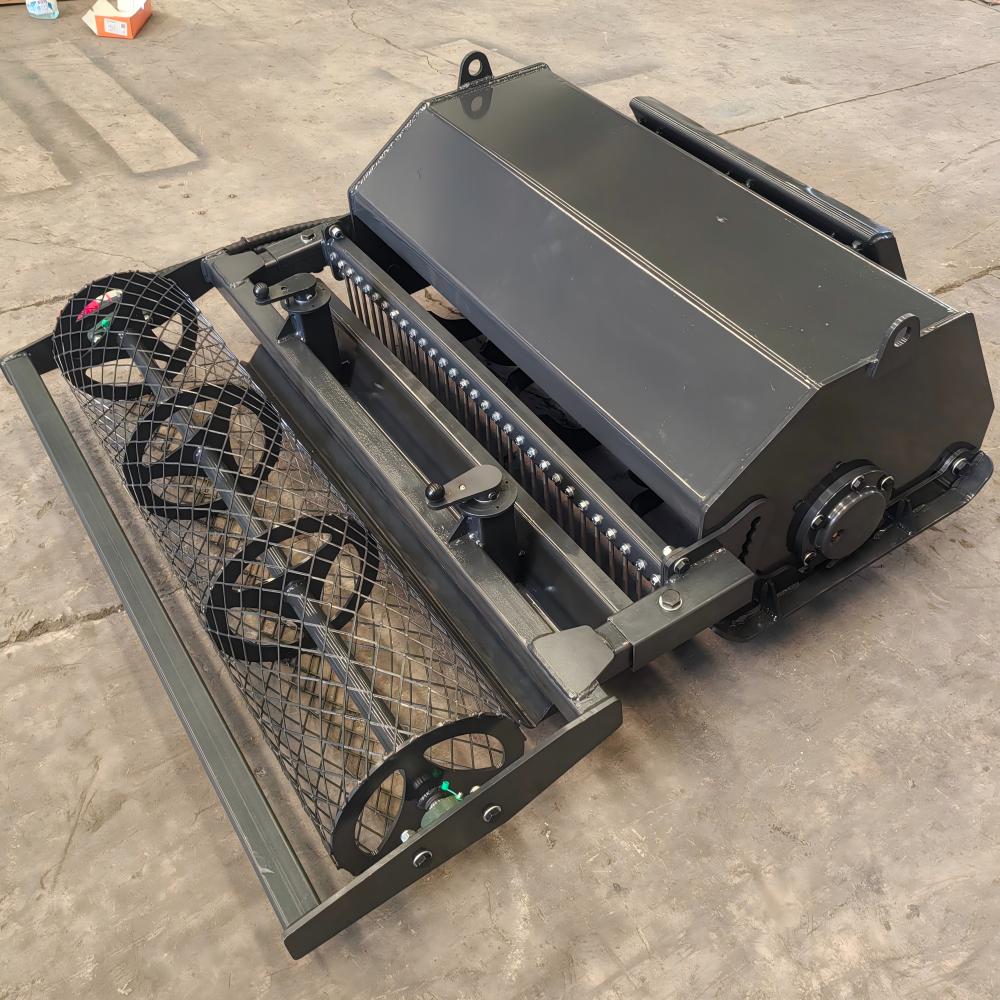
The skid steer stone burier is a hydraulic attachment that turns a standard skid steer loader into a soil preparation machine for lawns, seedbeds and construction ground. Stones, rocks and debris are pushed down below the layer being worked while the rotor conditions the soil and the rear leveling bar sets the finished surface.
Contractors buy it when a surface has to be handed over clean and level: lawns and garden beds, crop seedbeds, sod and turf bases, park and roadside verges, and ground being readied for paving. It is a stone burier attachment for soil preparation and landscaping first, but the same machine earns its place on agricultural and construction sites, which is why it stays busy across a mixed fleet instead of sitting behind one crew.
Municipal teams, rental fleets, landscapers and farm operators run it on loaders they already own, and dealers stock it as an attachment that suits several machines in the same yard.

The working end of this attachment is a reinforced rotor carrying soil-agitation blades. That blade layout is what decides how the ground behaves in front of the machine: soil is lifted and turned while stones are pushed down beneath the layer being prepared, instead of being dragged along the surface.
The rotor runs inside a mesh cage, and the cage panel unbolts so the drum and its bearing points can be reached for inspection without stripping the unit down. Drive comes from a hydraulic motor mounted on the side of the housing, fed by two hydraulic hoses routed along the frame. Behind the rotor sits the adjustable leveling bar, built in bolted sections so its setting can be changed as conditions change through the day.
Everything structural is high-strength steel. Load-bearing components are stress-tested against the hydraulic output of the carrier machine, so the unit runs without the vibration that works fasteners loose over a long shift. The frame and housings are finished in a matte black powder coat, with the hydraulic motor and its fittings left easy to see for routine hose checks.
| Attachment type | Hydraulic stone burier attachment for soil preparation and landscaping on skid steer loaders |
| Mounting | Universal quick-attach plate |
| Drive | Carrier machine hydraulic circuit |
| Stone burial depth | Up to 150 mm |
| Working depth | Operator-adjustable |
| Rotor | Reinforced rotor with soil-agitation blades |
| Roller housing | Mesh cage with an unboltable side panel |
| Leveling | Adjustable rear leveling bar |
| Frame | High-strength steel construction |
| Wear protection | Wear-resistant steel in high-impact zones |
| Functions per pass | Stone burial, soil milling, surface leveling |
| Carrier compatibility | Most standard skid steer loaders with universal quick-attach |
Lawns and garden beds
The core landscaping job, and the reason most buyers first look for a stone burier attachment for soil preparation and landscaping: a rough plot with surface stone goes in, and a fine, level surface comes out, ready to seed, plant or turf.
Crop seedbeds and agricultural ground
Clearing obstacles and improving soil structure on the same pass gives a more even start across a field and cuts the machine hours spent on the ground before drilling.
Sod and turf installation
Sod knits evenly only over a flat, stone-free base, so preparing that base and laying turf can follow each other directly instead of waiting on an extra grading pass.
Parks, verges and municipal ground
Pathway restoration, park upgrades and roadside landscaping all need a finish that holds from one end of the run to the other, which is where a machine-set depth and a trailing leveling bar beat hand work.
Construction site preparation
Ground can be brought to a surface ready for sod laying, turfing or the next construction stage without leaving heaps of picked stone to cart off site.
Orchard, vineyard and paddock floors
Conditioning and leveling the ground between rows makes it easier for mowers and other equipment to travel evenly across the block.
Reinforced structure for repeated impact
The frame and rotor housing are built to absorb stone strikes and working through compacted ground, which is where lighter-duty implements fail first. Alignment and performance hold up across seasons instead of a single job.
Rotor and leveling bar working as one system
Stones are buried beneath the top layer while the leveling bar sets the finish immediately behind them, which means fewer adjustment cycles and a more predictable result across different soil types than running a plain soil mixer followed by a separate leveling pass.
One attachment, several soil jobs
The same unit covers lawn and turf bases, crop seedbeds and construction ground preparation — one implement in the yard where three would otherwise be needed.
Set up and run by any operator
Working depth is changed at the machine with standard tools, so crews and rental customers get consistent output without special training, and time lost to setup on site stays short.
Lower cost per hectare than multi-step preparation
The rotor is driven by the loader already on site, so replacing a stone-picking crew and a separate tillage pass takes machine hours, hired labour and fuel out of the job.
Consistent from one build to the next
Our skid steer stone burier manufacturer partner builds from fixed drawings in batches, so a second unit for the fleet behaves like the first and shares the same wear parts.
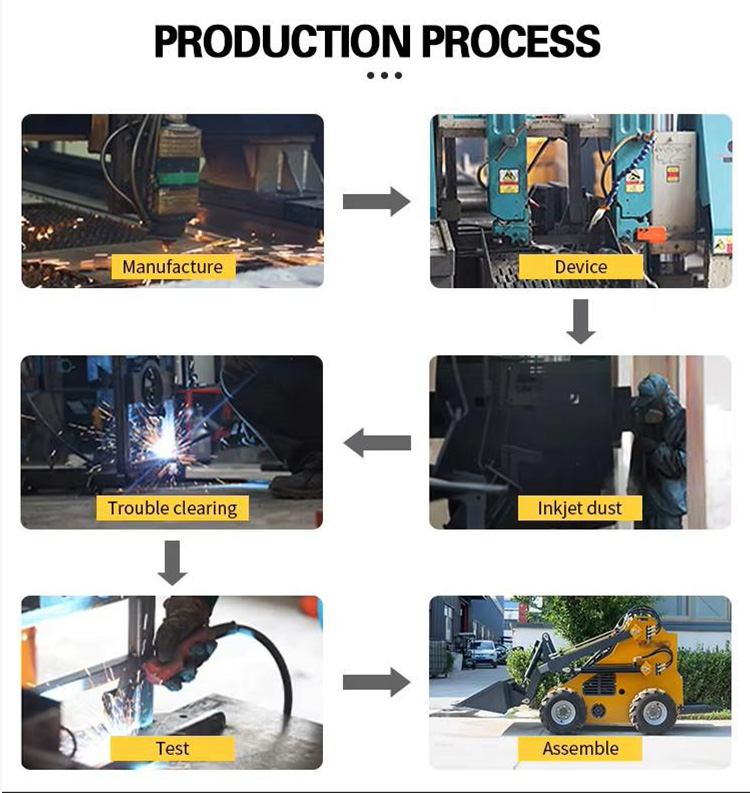
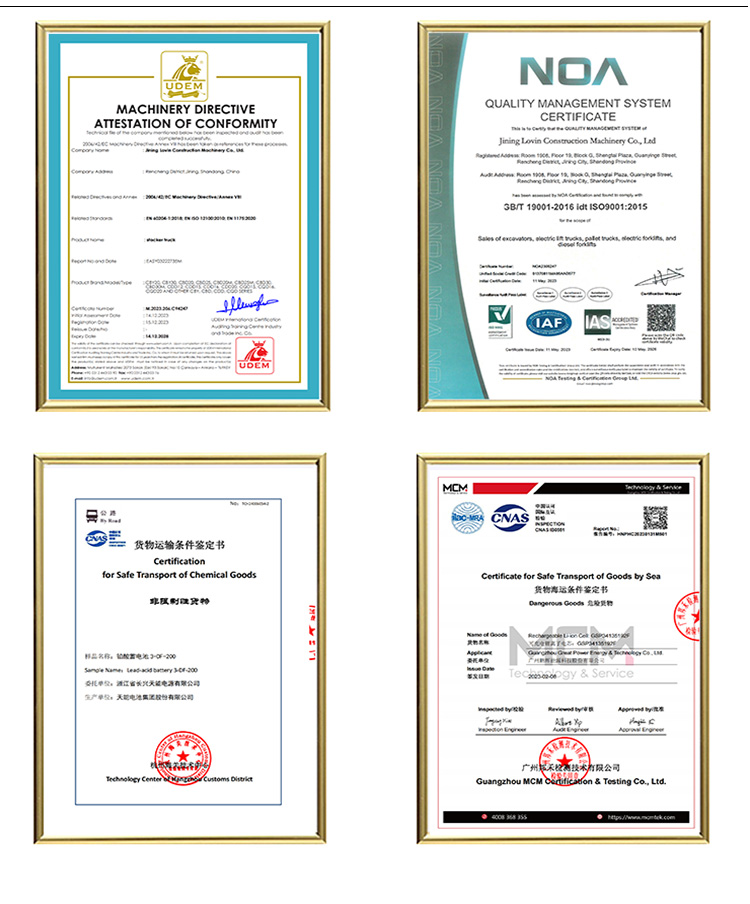
Lovin (Jining Lovin Construction Machinery Co., Ltd.) has supplied machinery buyers since 2017 as a distributor, sourcing through authorised channels and a verified supplier network. One order can cover the machinery mix your customers ask for and leave as a single consolidated shipment. Stocked items dispatch within about 7 days; lead times are confirmed against availability at enquiry, and busy-season schedules are agreed with suppliers in advance. OEM and customised builds follow the same route, and spare and wear parts stay supported after delivery. We export to Europe, South America, the Middle East, Australia, New Zealand and Russia.
This skid steer stone burier mounts on a universal quick-attach plate, so it fits most standard skid steer loaders, and the rotor is driven entirely by the machine's auxiliary hydraulic circuit. The two figures that decide how it performs are your loader's hydraulic flow and pressure: a high-flow machine drives the rotor harder in heavy ground, while a compact loader will still run the attachment at a slower pace. Send us your loader model and those figures and we will confirm the match.
The rotor travels through the top layer, lifting and turning the soil, while stones, rocks and debris are pushed down below the layer being worked instead of being carried along the surface. Directly behind the rotor, the leveling bar sets the final grade and takes out ridges and hollows. Because all three actions happen on the same pass, the ground left behind is fine and flat enough to seed or turf over straight away.
Yes, and the specification is agreed before the unit is built rather than changed afterwards. Working width, hitch plate, wear protection and the setup of the attachment can all be specified for the work you do — agricultural seedbeds, landscaping and turf, or construction ground preparation. Tell us the loader, the ground and the finish you need, and we will confirm the configuration that fits.
A rotary tiller breaks and mixes soil but leaves stones at the surface, so a picking pass or hand raking usually follows. This attachment buries the stones below the working layer and levels the surface behind the rotor in the same operation, which is what allows the ground to go straight to seeding or turf. If your ground is already free of surface stone and you only need tilth, a tiller stays the simpler tool; the burier is the answer when stone is the problem.
Set the rotor so it works through the layer you want to finish, without going below it. A lawn or turf base takes a shallower setting, which keeps the firmer layer underneath intact and leaves a fine, even surface; a crop seedbed takes a deeper pass that brings more soil into the mix and improves structure further down. Reset the leveling bar after any depth change, and keep travel speed steady so the finish stays consistent across the whole area.
Hydraulic hoses, their couplings and the bolts on the mounting plate are the regular check, since vibration loosens hardware before anything else. After working stony ground, inspect the rotor and blades for impact damage and check the bolted leveling bar sections so the finish stays accurate. The rotor and cage should be cleared of packed soil and stone debris before the unit goes into storage.


